
The Shift From Charging Accessory to Everyday Surface
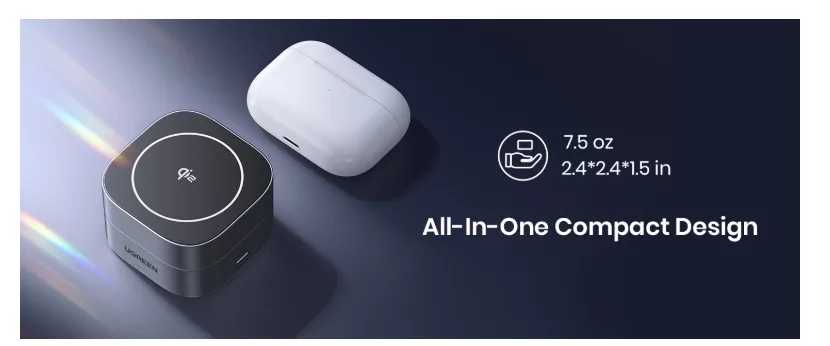
For a long time, phone charging was treated as a separate task. A charger was something people reached for when the battery was low, then put aside once the problem was solved. It belonged in a drawer, under a desk, or in the corner of a travel bag. It was useful, but rarely central to the way a space was organized.
That relationship has changed. In everyday life, charging is no longer just a technical function that happens in the background. It has become part of how people move through their homes, workspaces, and routines. The charger is no longer only an accessory. In many cases, it has become a surface people return to repeatedly throughout the day.
This shift says a lot about how phone use has evolved. Smartphones are no longer occasional devices. They sit at the center of communication, navigation, entertainment, work, payments, reminders, and countless small actions that fill the gaps between larger ones. Because the phone is almost always nearby, charging has also moved closer to the center of daily life. It no longer makes sense for the charger to feel hidden or secondary when the device it supports is used so constantly.
That is why charging now happens in places that feel more integrated into the rhythm of living. A bedside table is not just where a phone rests overnight. It is where people set down their devices at the end of the day and pick them up again first thing in the morning. A desk is not just a place for work. It is also where short bursts of charging happen between meetings, messages, and task switching. A kitchen counter, an entry table, or a shelf near the sofa can become part of the same pattern. In each case, the charger is less like a backup tool and more like a designated landing spot.
This is where the idea of surface matters. A surface invites repetition. It becomes part of movement and habit. People do not think about it as a separate step every time. They simply place the phone down where it naturally goes. That is very different from the older logic of searching for a cable, bending toward an outlet, and plugging in only when power feels urgent.
A Wireless Charger fits this newer pattern because it supports a more spatial way of thinking. Instead of asking where the cable is, it creates a clear place where the phone belongs. The charger becomes part of the environment rather than something that interrupts it. It can sit openly on a desk or nightstand without feeling like visible clutter, and that changes the emotional tone of the interaction. Charging feels calmer when it is built into the surface of daily life rather than treated as a small problem to solve each time.
The rise of the magnetic iphone charger pushes that shift even further. A standard wireless setup already reduces some of the effort involved in plugging in, but magnetic alignment adds a stronger sense of certainty and ease. The phone has a more obvious resting position. The gesture feels more intentional, but also more effortless. Instead of placing a device approximately and hoping it is properly aligned, the user feels a clearer connection between object and surface.
That matters because people are increasingly sensitive to friction in repeated actions. A tiny inconvenience once is not a big deal. A tiny inconvenience repeated several times a day becomes part of the overall texture of life. This is why design decisions that seem small on paper often end up shaping preference in a major way. A charging solution that feels stable, simple, and visually resolved can become a quiet favorite not because it is dramatic, but because it removes minor points of resistance from everyday routines.
There is also a visual reason this shift feels important. As phones have become more embedded in domestic and work environments, the accessories around them are judged differently. People do not want every useful object to look temporary, messy, or purely functional. They want tools that can live in a space without making that space feel more chaotic. When a charger becomes an everyday surface, it starts to participate in the look and feel of a room. It is no longer hidden away because it no longer needs to be.
This change also reflects a broader expectation in personal tech. Products are increasingly valued not just for what they do, but for how naturally they fit into existing behavior. Convenience today is often about fewer steps, clearer placement, and smoother interaction. The best tools support routines without making users think too hard about them. A Wireless Charger often succeeds when it stops feeling like equipment and starts feeling like part of the setting.
The same is true of a magnetic iphone charger, which appeals to users who want the charging experience to feel even more direct and settled. It is not only about charging without cables. It is about giving the phone a consistent home in the moments when it is not in the hand. That subtle shift changes the role of the charger itself. It becomes less like an add-on and more like an extension of the surfaces people already use to structure their day.
In the end, the move from charging accessory to everyday surface is really about integration. Charging no longer sits outside the routine. It lives inside it. The most successful charging products are often the ones that understand this change and respond with designs that feel easy to place, easy to trust, and easy to live with. When that happens, the charger stops feeling like a separate object. It simply becomes part of the way a space works.