
How Integrated Music Learning Environments Are Shaping Student Success
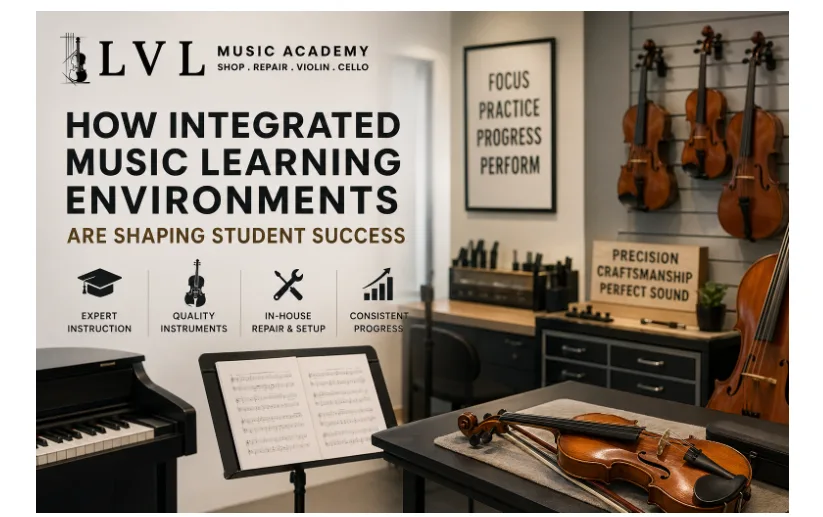
Music education is evolving as more students and parents look for structured, high-quality learning experiences that go beyond traditional lessons. Instead of treating music as a casual activity, many now approach it as a long-term skill that requires the right environment, proper guidance, and consistent support.
This shift has led to the rise of integrated music learning environments, where instruction, instruments, and technical support are combined into a single, cohesive system. The goal is simple: remove barriers and create a smoother learning journey from beginner level to advanced performance.
One of the biggest challenges for new students is starting with the right foundation. Learning an instrument like the violin, cello, or piano requires more than just practice, it requires proper setup, posture, and technique from the very beginning. Without this, students may struggle to progress or develop incorrect habits that are difficult to fix later.
According to insights from LVL Music Academy, a premium music academy in Singapore, students benefit most when their learning environment is carefully structured to support every stage of development.
“Music education is not just about teaching notes, it’s about guiding students through a complete journey,” a representative explains. “When students have access to the right instruments, proper setup, and expert instruction, their progress becomes more consistent and rewarding.”
Another important factor is the role of personalized instruction. Every student learns differently, and a flexible teaching approach allows instructors to adapt lessons based on individual strengths and areas for improvement. This helps students stay engaged and motivated, especially during the early stages of learning.
The integration of instrument access and maintenance also plays a key role. Having a curated selection of instruments and an in-house repair workshop ensures that students always practice with properly functioning equipment. This not only improves sound quality but also builds confidence in performance.
Parents are increasingly recognizing the value of this approach. Rather than managing multiple providers for lessons, instruments, and repairs, they prefer a single, reliable solution that simplifies the process while maintaining high standards.
As music education becomes more structured and outcome-focused, the importance of a well-designed learning environment continues to grow. Students who are supported with the right tools, guidance, and resources are more likely to stay committed and achieve long-term success.
This shift highlights a broader trend in education: quality, personalization, and integration are becoming essential elements of effective learning. In music, where precision and consistency are key, these factors can make a significant difference in how students develop their skills over time.