
The Role of Technology in Modernizing Traditional Ground Transportation Companies
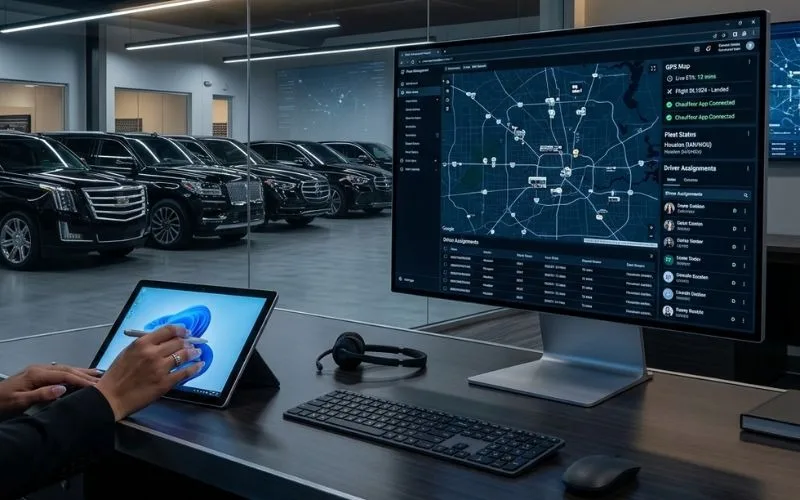
A dispatcher at a mid-size limo company used to start each shift by pulling out a paper trip sheet, calling chauffeurs one by one on a two-way radio, and manually logging every airport run in a spiral notebook. Today, that same company runs cloud dispatch software that assigns trips automatically, tracks every vehicle on a live map, and sends clients digital confirmations before their chauffeur leaves the garage. The shift is not gradual anymore. In 2026, private car and limo service operators who have not adopted modern platforms are losing corporate accounts and repeat clients to competitors who have.
Cloud Platforms Are Replacing Paper-Based Booking Systems
The foundation of any modernized limo operation is a cloud-based reservation and booking platform. Legacy operators once relied on phone calls, handwritten logs, and disconnected spreadsheets to manage daily trips. Platforms built specifically for the chauffeur industry now handle the full booking cycle in one place. Key capabilities that most mid-size limo operators like Pro Ride Limo now use include:
- Real-time trip creation, modification, and cancellation from any device
- Automated client confirmations and chauffeur assignment notifications
- Centralized rate management for corporate accounts and event pricing
- Integration with affiliate networks for farm-out and farm-in trip handling
Software categories in this space, including platforms like LimoStack, reflect how far cloud reservation systems have moved beyond basic scheduling into full operational management.
Chauffeur Apps and Fleet Telematics Deliver Full Visibility
Chauffeur mobile apps have replaced the two-way radios that defined limo dispatch for decades. A chauffeur now receives trip assignments, passenger details, route guidance, and real-time updates on a single app before leaving the lot. Fleet telematics ties the chauffeur side to the operations side, giving dispatch teams live visibility into every vehicle. Operational benefits that matter most to fleet managers include:
- GPS tracking with live ETA updates for passengers and dispatch
- chauffeur behavior monitoring, including speed, hard braking, and idle time
- Vehicle location history for accountability and route review
- Automated status updates when chauffeurs go en route, arrive, and complete trips
For operators managing twenty or more vehicles across a metro area, fleet telematics has turned guesswork into precise fleet control.
Client Apps and Flight Tracking Set New Service Standards
Customer-facing booking apps have raised the bar for what private car clients expect from a chauffeur service. Corporate travelers and event clients now book a chauffeured SUV from a mobile app the same way they book any other service, and they expect a live chauffeur tracking link, professional confirmation emails, and departure alerts without calling a dispatcher.
Flight tracking integration has become a standard feature, not a premium add-on. When an inbound flight lands early or gets delayed, modern limo platforms automatically adjust the pickup time and alert the chauffeur. For operators handling nightly airport transfers, this single capability reduces no-shows and late pickups without any manual intervention from the office.
Digital Payments and CRM Tools Support Corporate Accounts
Corporate accounts drive steady, high-volume revenue for most established limo companies, and managing those accounts well requires more than good service. Digital payment processing and automated invoicing have replaced the end-of-month paper invoice cycle that frustrated finance teams on both sides. Clients now receive itemized digital invoices immediately after each trip, with payment processed automatically against stored corporate card profiles.
CRM tools built for the chauffeur industry allow account managers to track booking history, set rate agreements, manage preferred vehicle types, and flag high-priority clients for priority dispatch. For a limo company managing fifty active corporate accounts, a CRM platform turns relationship management from a memory exercise into a structured process.
AI Routing and Analytics Are Reshaping Fleet Operations
The next layer of limo service technology involves AI-powered routing and data analytics that help operators make better decisions on fleet deployment and pricing. AI routing tools analyze traffic patterns, historical trip data, and chauffeur locations to assign the closest available vehicle and calculate the most accurate ETAs. Demand forecasting tools help operations managers anticipate high-volume periods around conventions, airport surges, and corporate event calendars. Near-term technology trends already active in the private car sector include:
- Dynamic pricing tools that adjust rates based on demand and availability
- Predictive maintenance alerts tied to vehicle mileage and service intervals
- Revenue reporting dashboards breaking down utilization by vehicle, chauffeur, and account
- Integration between dispatch platforms and popular travel management software used by corporate buyers
For fleet owners reviewing which technology investments matter most, analytics platforms now offer the kind of operational clarity that was once available only to large fleet operators.
Traditional Limo Companies Are Competing Through Technology
App-based services like Uber Black and Lyft Lux have permanently changed what clients expect from a private car experience. Traditional limo and chauffeur companies have responded not by abandoning their service model, but by building the technology infrastructure to support it at a higher level. The operators gaining ground in 2026 are those who have moved to cloud reservation systems, adopted chauffeur apps, connected flight tracking, and built corporate account management around real CRM data.
For any limo company owner or operations manager evaluating where to invest next, the clearest priorities are a cloud dispatch platform that handles end-to-end trip management, a chauffeur app that keeps chauffeurs connected in real time, and a digital payment system that removes friction from corporate billing. These three categories form the operational core that everything else connects to, and they separate companies that are modernizing from those that are falling behind.