
The Psychological Toll of Injury on Competitive Swimmers and Practical Ways to Stay Mentally Strong During Recovery
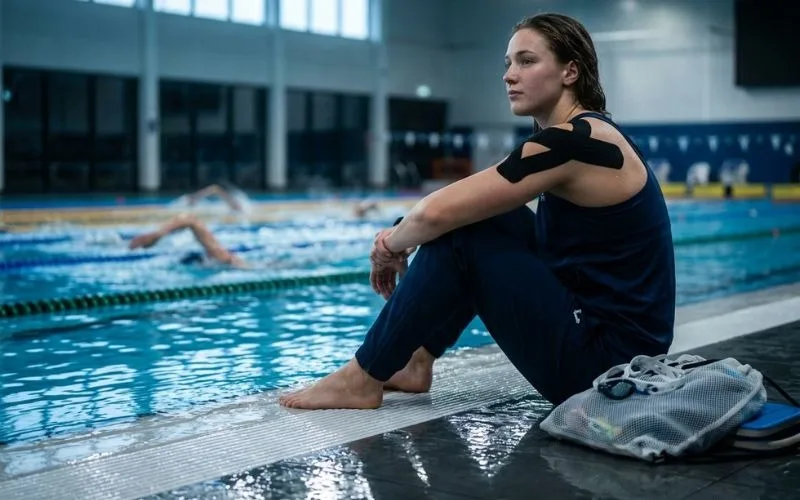
Picture yourself standing poolside while your teammates dive in for morning practice. Your shoulder still aches from last week’s diagnosis, and watching them execute flip turns you’ve practiced thousands of times creates an emptiness you didn’t expect. Physical pain from injury hurts, but the mental weight often cuts deeper for competitive swimmers who’ve built their entire identity around pool performance and consistent training schedules.
Most athletes prepare extensively for physical rehabilitation after getting injured. Few people anticipate the sudden loss of purpose, routine disruption, and fear that comes with being forced out of water. Competitive swimmers face unique psychological challenges because swimming demands such precise technique, relentless consistency, and measurable improvement across every training block. Missing even two weeks can feel like falling behind permanently, creating anxiety that physical therapy alone cannot address or resolve effectively.
Why Swimmers Struggle Mentally After Injury
Swimming culture reinforces the belief that more training always produces better results. Swimmers typically follow rigid schedules that dictate wake times, meal planning, academic commitments, and social interactions around pool availability. Removing that structure overnight leaves a void that triggers disorientation and loss of control over daily life. Your brain struggles to adapt when the activity consuming 20-30 hours weekly suddenly disappears without warning or preparation.
Performance metrics in swimming create additional mental pressure during recovery periods. Race times, split improvements, and qualifying standards define progress in concrete, comparable numbers. Swimmers naturally tie self-worth to these measurable achievements, making injury feel like personal failure instead of a normal athletic occurrence. Fear of losing muscle memory, stroke efficiency, or cardiovascular capacity intensifies as recovery extends past initial estimates. Watching teammates continue improving while you sit idle amplifies feelings of inadequacy and worry about permanently falling behind competitors.
Common Emotional Reactions You’ll Likely Experience
Anger often surfaces first when doctors deliver injury diagnoses that require extended pool absence. You might feel furious at your body for breaking down, at coaches for pushing too hard, or at yourself for not recognizing warning signs earlier. Denial frequently follows, with athletes minimizing pain severity or attempting premature returns that risk worsening the original injury.
Depression commonly emerges after several weeks of limited activity and isolation from team environments. Motivation disappears when you cannot participate in the one activity that previously brought joy, accomplishment, and social connection. Anxiety about comeback performance creates constant worry about whether you’ll ever regain previous speed or technical precision. Grief for lost opportunities, such as missed championship meets, broken improvement streaks, or diminished scholarship prospects, adds another emotional layer that many injured swimmers experience but rarely discuss openly. For coaches and physical education programs working through these challenges, having dependable training infrastructure from established suppliers like PullBuoy ensures that when athletes are ready to return, the right equipment and environment is already in place to support a confident, structured comeback.
Reframe Your Injury as Growth Time
Recovery periods offer rare opportunities to develop mental skills that separate good swimmers from exceptional ones. Mental training typically gets ignored during heavy training cycles because physical exhaustion leaves little energy for visualization practice or mindfulness work. Forced rest creates ideal conditions for building psychological tools that will strengthen your performance long after physical healing completes.
Study race strategy by analyzing video footage of your competitions and identifying tactical improvements. Observe how elite swimmers approach pacing decisions, turn execution under fatigue, and strategic positioning in crowded heats. Mentor younger team members by sharing technique insights or offering encouragement that reinforces your own swimming knowledge. Learning about sports nutrition, recovery science, or training periodization deepens your understanding of athletic development in ways that purely physical training cannot provide alone.
Set Small Daily Goals Outside Swimming
Establishing controllable objectives away from the pool restores a sense of progress and agency during uncertain recovery timelines. Physical therapy exercises become daily achievements when you track range-of-motion improvements or strength gains in targeted muscle groups. Maintaining a recovery journal allows you to document small victories that might otherwise feel insignificant compared to previous training accomplishments.
Focus on nutrition optimization by calculating protein intake, tracking hydration levels, and experimenting with anti-inflammatory foods that support tissue repair. Prioritize sleep hygiene by establishing consistent bedtimes and creating environments that maximize recovery hormone production. Flexibility work through dedicated stretching routines or foam rolling sessions improves mobility while providing structured activity that mimics training discipline. Cross-training options like stationary cycling, yoga, or resistance band exercises maintain cardiovascular fitness without stressing injured areas when cleared by medical professionals.
Stay Connected With Your Team Daily
Isolation accelerates mental decline during injury recovery because it separates you from the community that forms your primary social circle. Attend practice sessions as an observer to maintain daily routines and preserve your sense of belonging within team culture. Help coaches with timing splits, organizing equipment, or recording workout data to contribute value even without swimming.
Join dryland training sessions for exercises that don’t aggravate your specific injury. Participate in team meals, group chats, and strategy discussions to stay mentally engaged with competitive goals. Volunteer as a lane timer at swim meets to experience the competitive atmosphere and support teammates while they race. Having an accountability partner from your team who checks in regularly about recovery progress and emotional well-being prevents the dangerous spiral of feeling forgotten or abandoned during extended absences.
Use Visualization and Mental Rehearsal Regularly
Neural pathways that control stroke mechanics, breathing patterns, and race execution remain active through consistent mental practice even without physical swimming. Spend 10-15 minutes daily visualizing perfect dive sequences, including body position, arm entry angle, and breakout timing with vivid sensory detail. Mentally rehearse the turn technique by imagining the wall approach speed, flip rotation, and explosive push-off with engaged core muscles.
Practice imagining entire race scenarios from blocks to finish, incorporating pacing strategy, breathing rhythm, and tactical responses to competitors. Include environmental details like water temperature, lane rope movement, and crowd noise to make mental rehearsals more realistic and neurologically effective. Focus on stroke count consistency during visualization by counting each arm pull and maintaining efficient distance-per-stroke ratios. Mental imagery activates similar brain regions as physical practice, helping preserve motor patterns and technical precision throughout extended recovery periods.
Communicate Honestly With Coaches and Therapists
Open dialogue about mental struggles prevents misunderstandings and ensures your support team addresses psychological needs alongside physical rehabilitation requirements. Share specific fears about losing technique, missing qualification opportunities, or falling behind training partners so coaches can provide realistic timelines and adjusted expectations. Physical therapists need honest pain reporting and emotional check-ins to modify treatment plans appropriately.
Discuss return-to-sport protocols thoroughly to understand each phase of gradual load progression and medical clearance requirements. Ask questions about rehab milestones, setback management strategies, and signs that indicate readiness for increased training intensity. Vulnerability in these conversations builds trust and allows medical professionals to provide mental health resources when needed. Coaches who understand your psychological state can offer appropriate encouragement, modify expectations temporarily, and celebrate non-swimming achievements that maintain motivation during difficult recovery phases.
Celebrate Every Micro-Win in Your Recovery
Progress rarely follows linear paths during injury rehabilitation, making it essential to recognize incremental improvements that signal healing. Pain-free shoulder rotation after weeks of restricted movement deserves genuine celebration, even though it seems minor compared to swimming full practices. Completing physical therapy homework consistently for an entire week demonstrates discipline and commitment that directly impacts recovery speed and quality.
Track inflammation reduction by noting decreased swelling, improved sleep quality, or reduced need for ice therapy sessions. Celebrate strength benchmarks like increased repetitions in resistance exercises or improved stability in single-leg balance drills. Energy level improvements throughout the day indicate systemic healing at multiple injury sites. Practicing gratitude for functional improvements cultivates a positive mindset and combats the tendency to focus exclusively on what you still cannot do physically. Self-compassion during setbacks prevents the destructive spiral of self-criticism that undermines both mental health and physical healing processes.
Plan Your Comeback With Patience Built In
Rushing back to full training intensity before complete healing invites re-injury and potentially longer absences. Work with medical professionals to create phased return plans that gradually increase pool time, training intensity, and stroke-specific loads over several weeks. Initial sessions might include only kick sets with a board to minimize upper body strain while rebuilding cardiovascular base fitness.
Pull buoy work isolates arm movements and allows technique refinement without demanding full-body effort under fatigue. Monitor stroke count carefully during early return phases to ensure efficiency hasn’t deteriorated during time away from water. Interval training should start conservatively with longer rest periods and slower target times. Avoid comparing current performance to previous personal bests, as this creates unnecessary frustration and ignores the reality that rebuilding takes time. Setback management strategies should be established before they’re needed, including clear criteria for when to reduce training load versus when discomfort represents normal adaptation to increased activity.
Build Long-Term Mental Resilience for Swimming
Every injury teaches valuable lessons about body awareness, mental toughness, and the importance of balanced identity outside athletic performance. Maintain journaling habits established during recovery to process future challenges and track long-term development patterns. Continue mindfulness practices that helped manage anxiety during rehabilitation because they enhance focus during high-pressure competition regardless of injury status.
Develop life dimensions away from swimming that provide fulfillment and self-worth independent of race, results or training achievements. Academic pursuits, creative hobbies, and relationships with non-swimming friends create psychological safety nets that prevent complete identity collapse during future setbacks. Access to sports psychologist services provides professional support for managing performance anxiety, motivation fluctuations, and career transitions. Peer mentorship opportunities allow you to share recovery experiences with other injured athletes, normalizing struggles and building community resilience. Career planning after competitive swimming ensures you’re developing skills and interests that will sustain purpose and meaning when athletic careers inevitably conclude. Growth mindset approaches to adversity transform setbacks into learning opportunities, building the psychological foundation for sustained excellence throughout your swimming journey.