
WA Homeowners: Why Garage Door Maintenance Matters Year Round
Garage door maintenance is often overlooked by homeowners who view it as a concern only when something breaks. This reactive approach costs significantly more than preventive maintenance and leaves you vulnerable to unexpected failures at inconvenient times. In Washington State, year-round maintenance is not optional, it is an essential investment in home safety, security, and cost management. This article examines how seasonal conditions demand attention at different times and how preventive maintenance delivers measurable financial benefits.
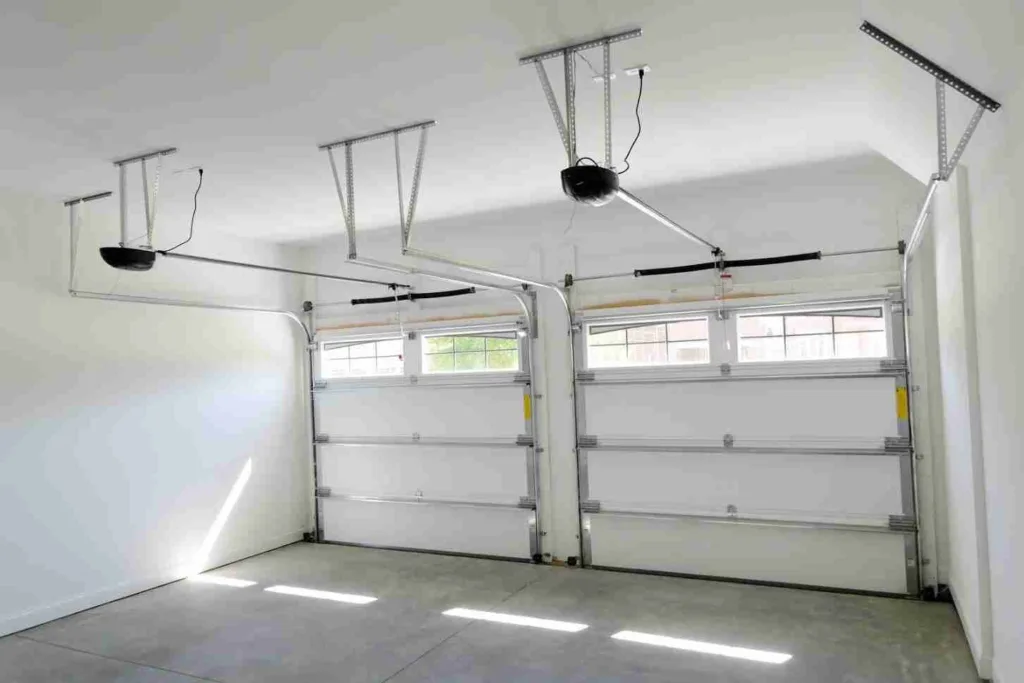
Spring Inspection: Before the Summer Sun
Spring is the optimal season for comprehensive garage door inspection after winter conditions have stressed the system. Winter’s cold temperatures cause metal contraction, and salt or moisture exposure accelerates corrosion. As temperatures warm in spring, expand your inspection to identify damage before it worsens. Check the door’s bottom seal for cracks, splits, or deterioration, winter wet conditions are harsh on rubber seals. Look at the entire door surface for rust spots that developed during winter moisture exposure. Inspect springs carefully for corrosion, paying particular attention to the ends where water collects. Listen to door operation to detect unusual sounds indicating wear or misalignment. Test safety sensors by waving your hand beneath the closing door, it should reverse immediately. Have a professional inspect spring condition if you notice any hesitation or unusual resistance. Spring maintenance also includes lubricating all moving parts with moisture-displacing lubricant appropriate for varied season temperatures. This seasonal inspection prevents summer problems when you rely most heavily on garage door function for vehicle access and climate control.
Summer Use and Opener Reliability
Summer brings increased garage door usage as families access vehicles more frequently and use the garage for projects or recreation. Higher usage stress exposes vulnerabilities in the system. Openers work harder in summer heat, placing additional demand on motors and electronic components. Reduced lubrication from spring application requires refresh before peak usage season. Check that the opener is functioning smoothly without hesitation or noise. Verify that the opener responds consistently to remote and button commands. If you notice the door slowing, hesitating, or failing to fully open or close, professional attention is needed before the problem worsens. Summer is also the season when heat can cause garage temperatures to soar, stressing electronic components and lubricants. Ensure your garage has adequate ventilation to prevent extreme heat buildup. Many homeowners discover opener issues in summer but find professional technicians fully booked due to seasonal demand. Addressing potential issues during spring inspection prevents this scenario.
Fall Preparation: Getting Ready for Rainy Season
Fall is the most critical maintenance season in Washington State because it represents the transition to our rainy season. This is the time to prevent water intrusion and moisture damage. Replace bottom seals if they show any deterioration, as winter rains will exploit any weakness. Clean and inspect vertical seals that also prevent water from entering. Apply protective sealants to track channels where water can accumulate. Inspect all metal components for rust and touch up paint damage immediately. Apply protective coatings to exposed metal to create a moisture barrier. Check that gutters and downspouts divert water away from the garage. Consider the path water takes when it rains heavily, ensuring none flows toward the garage door area. Test the bottom seal by pouring water along it to verify it diverts flow away from the garage. Fall maintenance is an investment in winter comfort, wet garage conditions create mold, damage stored items, and compromise climate control of the home. Every dollar spent on fall preventive maintenance typically saves five to ten dollars in winter damage repair or remediation.
Winter Maintenance and Cold Weather Operation
Winter brings unique challenges for garage door operation in Washington State. Freezing temperatures affect lubrication viscosity, causing doors to seem sluggish or resistant. Springs may appear to perform differently as metal contracts in cold. Moisture from indoor air can condense on cold components, creating additional corrosion risk. Safety sensors can accumulate frost or condensation on lenses, impairing their ability to detect obstacles. Before winter cold arrives, apply cold-weather lubricants specifically formulated to function in freezing temperatures. Test safety features more frequently during winter to ensure sensor function. If your door becomes extremely sluggish in cold, avoid forcing it, contact a professional to assess whether cold weather simply requires more patience or if there is an underlying problem. After heavy snow or ice storms, inspect your garage door for damage from wind or accumulated weight. Clear snow from the area around the door to prevent accumulation that impedes operation. Many homeowners avoid using the garage during winter ice storms, correctly recognizing that ice can freeze the door or prevent safe operation. When winter conditions make manual operation necessary, proceed carefully and contact a professional if the door does not move smoothly.
Cost Comparison: Preventive Maintenance Versus Reactive Repair
The financial argument for year-round maintenance is compelling. Annual preventive maintenance typically costs between two hundred and four hundred dollars, varying based on system condition and service provider. This investment includes inspection, lubrication, seal replacement if needed, and professional assessment of component condition. Emergency repairs, by contrast, prove far more expensive. A broken spring replacement costs four hundred to six hundred dollars and usually qualifies as emergency service with associated premium pricing. A failed opener motor replacement costs six hundred to twelve hundred dollars. Water damage from failed seals can cost thousands to remediate if it affects foundations, insulation, or structural elements. Sensor replacement costs one hundred to two hundred dollars but is typically required only if neglected preventive maintenance allowed corrosion damage. A winter garage door emergency, when weather makes repairs difficult and scheduling is tight, multiplies costs further through emergency service fees and lost time while the door is non-functional.
The Long-Term Financial Impact
Homeowners who invest in consistent year-round maintenance typically replace their garage door system every fifteen to twenty years. Those who maintain only reactively often face replacement every eight to twelve years. The difference in total lifespan often represents four to eight additional years of function from a properly maintained system. Multiplied across thousands of dollars of equipment cost, this difference is substantial. Additionally, a well-maintained garage door operates more quietly, requires fewer emergency calls, and provides consistent security. A home with a reliable garage door appeals to potential buyers and is worth slightly more than an identical home with a marginal door system. Some homeowners view maintenance costs as an expense, but the financial data supports viewing them as an investment with clear return.
Creating a Year-Round Maintenance Schedule
Establishing a maintenance schedule ensures consistency. Spring: Full inspection, seal check, lubrication, safety sensor testing. Summer: Opener function verification, lubrication refresh if needed. Fall: Seal replacement if needed, protective coating application, moisture prevention measures. Winter: Cold-weather operation monitoring, ice prevention, post-storm inspection. Monthly: Visual inspection for obvious issues, listening for unusual sounds. Many homeowners calendar these tasks as seasonal reminders. Others establish annual relationships with garage door opener Tacoma service providers who handle seasonal maintenance automatically.
Professional Maintenance Value
Professional technicians bring expertise that homeowners cannot replicate. They recognize early warning signs of component wear that predict future failures. They have proper tools for spring adjustment and tension testing. They understand Pacific Northwest-specific maintenance requirements. Professional maintenance records document the door’s condition over time, proving valuable if future disputes arise about pre-existing damage or if you eventually sell your home. For many homeowners, the modest cost of professional spring inspections alone is justified by the safety factor, springs operate under extreme tension, and improper adjustment can cause serious injury.
Conclusion: Maintenance Is a Commitment to Home Safety and Value
Year-round garage door maintenance is not a suggestion, it is an essential responsibility that protects your home, saves money, and ensures safety. Each season presents unique demands reflecting Washington State’s environmental stresses. Spring assessment identifies winter damage. Summer attention ensures reliable operation during peak use. Fall preparation prevents winter moisture problems. Winter monitoring ensures safe cold-weather operation. Consistent year-round attention prevents expensive emergencies while extending the lifespan of your system. When you partner with professionals like WA Garage Door Service, you establish a relationship with technicians who understand your system and can respond quickly to problems.
WA Garage Door Service
207 Meridian Ave E Apt M203, Edgewood, WA 98372
(253) 900-4774
wagaragedoorservice.com