
The Changing Face of Everest trekking, From Treks to Helicopter Experiences
For generations, hiking in mountains of Nepal meant committing to long walks into the heart of the Himalayas. The journey moved through village by village, ridge by ridge and one tea house to other. Talking about Everest base camp trek, the major and loved and wanted by everyone in this earth. Time, patience and endurance was the part of experience. The journey still defines Everest for many however today this is changing.
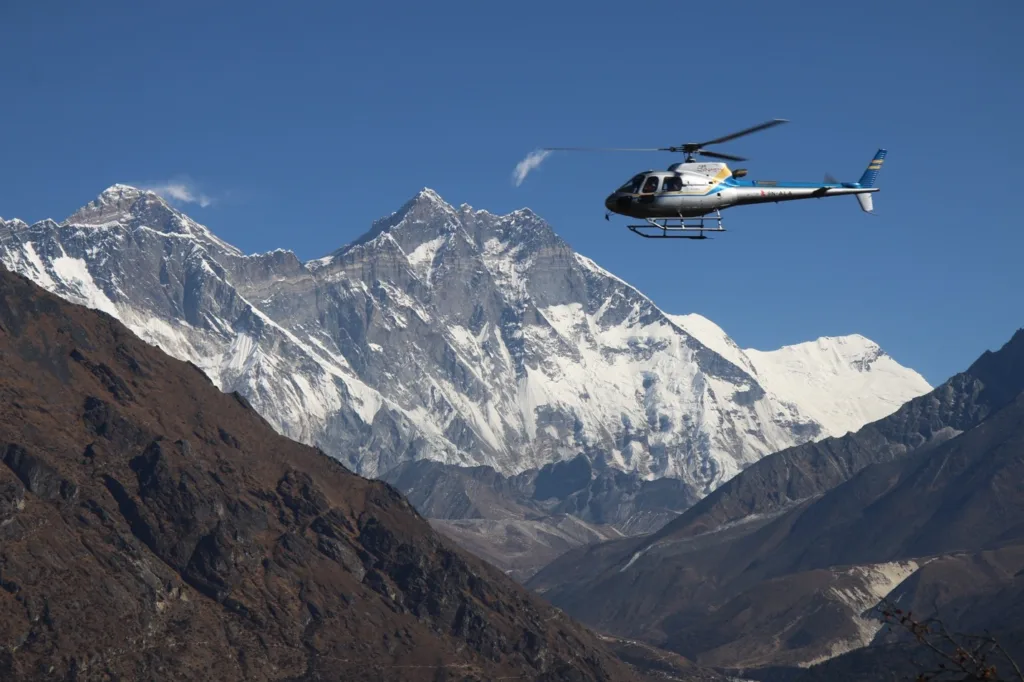
Modern day we can see that travelers no longer choose between adventure and comfort. They want bit of both. Lately experience like Everest base camp trek with helicopter return are reshaping the Himalayan experience and exploring the base camp of the highest mountain of the world. However they don’t lose the essence of the journey.
Everest base camp trek: The timeless appeal
The Everest base camp trekking remains one of the most meaningful trek on earth. Many travelers or trekkers want to do this trek and is on the bucket list of most of the adventure lovers. Walking through the khumbu region offers just more than the view of the mountain. The local lifestyle, amazing river, the Sherpa culture and more. The timeless heritage of Buddhism, chortens, monastery and way of life shaped by altitude and resilience.
The major highlight of the trek Namche Bazar, Dingboche and Tengboche Monastery are far more than a resting place. They are cultural living center on the way to Everest base camp where daily life is shaped by faith, community and rhythm of the mountain. On the hike, hikers capture the first glimpses of Everest and neighboring peaks like Lhotse Peak (8414m) and Ama Dablam (6856m) from Namche bazar. At Namche bazar the heart of Khumbu region, trekkers, monks, as well as locals share the same winding street, markets and bakery cafes. A blend of tradition with modern influence. Prayer flags reflect a rare sight while on the ridge one could witness Tengboche Monastery with breathtaking views of Everest and Ama Dablam being the spiritual anchor of the region, where monks gather and pray which echoes across the valley below.
For many passing through these place is as meaningful as reaching the Everest base camp. The slow walk in between villages, the gain in altitude and the time spent during acclimatization allows one for reflecting and building connection with a place. Reaching base camp on foot is still a personal achievement as the journey is shaped by physical endurance, sleepless night on altitude, patience and effort. However cultural immersion and spirituality of the Himalayas will pull you and push you to take one more step at a time and the final view will take all the fatigue away.
Yet, the return journey has always been the most physically demanding part.
Everest Base Camp with helicopter return: A modern approach Modern day travelers approach adventure different. In the fast changing world, people have limited vacation time and they want to explore more. They are aware of physical strain required for high altitude and are looking for experience as well. If people do the trek with helicopter return then they have different views of the landscape that they covered on foot the previous days. It do take couple of hours to reach Kathmandu where on foot could take 3-4 days. You may get a helicopter from Pheriche or Gorekshep. Trekkers can see the great grandeur of the Himalayan range from above and trace their way through the valleys below.
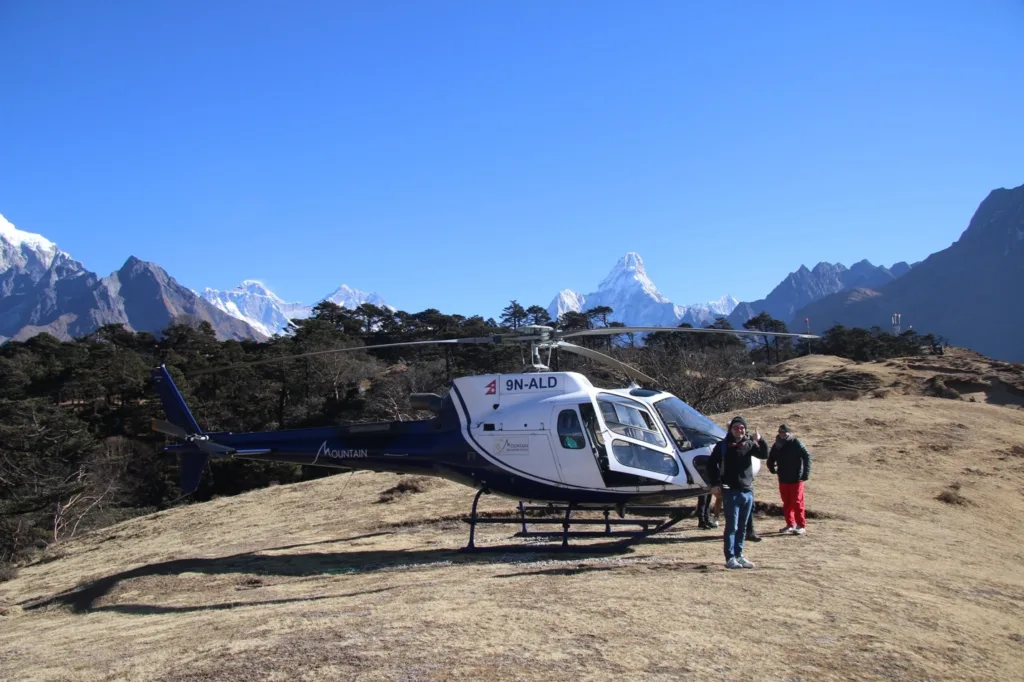
This shift has led the rise of Everest base camp trekking with helicopter return itinerary in trend for tour operators as well. The itinerary where trekkers walk, reach the base camp of the highest mountain of the world and fly back on helicopter admiring the aerial view of Everest, rather retracing the same trails for days and days.
This shift has led to the rise of Everest Base Camp Helicopter Tour itineraries, where trekkers walk to Base Camp but fly back by helicopter rather than retracing the same trail for days.
Lastly, it’s not about avoiding the trek but it is about reimagining the return.
During Everest base camp trekking with helicopter return experience, travelers complete the most rewarding section on foot, physically demanding sections including acclimatization days as well as cultural stops. After reaching the Everest base camp or Kalapattar the journey concludes with helicopter flight back to Lukla or Kathmandu. This has been standard itinerary so far however you can customize according to your needs.
From air Himalayas reveal an entirely different perspective as the glaciers stretch endless belw and ridge appears more dramatic. For many this flight reflects a quiet moment and conclusion to an intense unforgettable journey with bags full of memories.
A New way to experience Everest
Everest base camp trekking has always been representing the spirit of adventure and ambition. Things or thought has not change so far what actually has change is how people want to experience it. What travelers today value the most? Latest travel trends has been seen as the traveler’s value:
- Meaning over miles.
- Experience over feeling tired
- Flexibility over strict tradition
From conventional hiking routes to Everest Base Camp with helicopter return experience, Everest today provides various approaches to the same destination, each influenced by personal goals, time, and perspective. Ultimately, the mountain continues to be the same.
Everything remains the same, how we get into the trails, the experience of the trail, the people and their culture, the experience of the trekking the physical endurance as well as patience, the spirituality felt in mountains and most important the mighty everest and surrounding peaks like Lotse, Ama Dablam, Pumori and more. The only thing that’s changed is the way we depart from the mountains.