
Can Health-Based Training Reduce Injury Risks in Belgian Malinois?
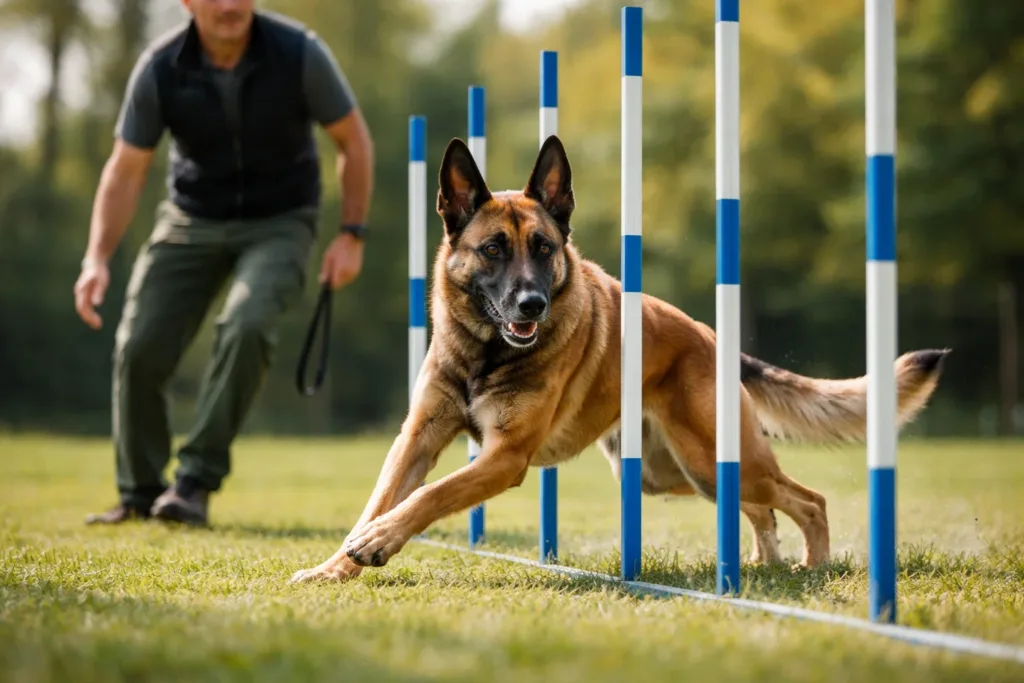
Belgian Malinois are renowned for their intelligence, athleticism, and intense work ethic, making them one of the most capable working dog breeds in the world. However, these very traits also mean they are more prone to injuries when not trained properly.
Belgian Malinois training must focus not only on performance but also on health, safety, and long-term wellbeing. Health-based training is a modern approach that prioritizes physical conditioning, mental balance, proper nutrition, and recovery methods to significantly reduce injury risks. By understanding how a health-centered training plan works, owners and handlers can help their Belgian Malinois perform at peak levels while maintaining excellent physical health.
Understanding the Physical Demands of Belgian Malinois
Belgian Malinois are a high drive, high energy breed of dogs that were originally used to herd and then extensively used for police work, military work, search and rescue work, and other protection activities. These dogs get involved in a vigorous exercise which includes sprinting, jumping, and biting exercises, agility, and endurance. These vigorous regimes pose a lot of strain on their muscles, joints, ligaments and heart systems.
Unless such physical demands are properly conditioned and left to rest, they may result in injuries such as muscle strains, ligament tears, joint inflammation, hip dysplasia, and chronic fatigue. Young dogs and especially the puppies are the most susceptible as the bones and joints of the body are still developing. On the same note, training should be given to old dogs though with a lot of care so that the dogs are not overworked. Health-related training will be used to secure that the physical activity is balanced with conditioning exercises, flexibility training, and rest.
What Is Health-Based Training?
Health-based training is a comprehensive approach that gives importance to physical and mental wellbeing of a dog as well as to the development of skills. The approach does not overwork dogs by making them run to their maximum capacity, but instead it is about progressive conditioning, injury prevention, and recovery approaches. It focuses on warming up exercises, cooling down exercises, excellent diet, hydration and mind enrichment.
This method is based on the understanding that a dog is optimally fit, emotionally balanced, and mentally stable to perform optimally. The training sessions are effectively designed so that they do not cause repetitive strains, impact stress and muscle balance. After some time, it results in more robust joints, endurance, and flexibility and low chances of both acute and chronic injuries.
Key Principles of Health-Based Training
Health-based training relies on several fundamental principles that collectively enhance physical safety and overall performance.
Progressive Conditioning: Training intensity should increase gradually, allowing the dog’s muscles, joints, and cardiovascular system to adapt over time. Sudden spikes in activity often result in strains and fatigue-related injuries.
Warm-Up and Cooldown Routines: Just like athletes, dogs need warm-up exercises to prepare their muscles and joints for activity. Light jogging, stretching, and mobility drills improve blood flow and flexibility. Cooldown routines help reduce muscle soreness and prevent stiffness.
Strength and Flexibility Training: Controlled exercises such as hill climbing, resistance training, and balance drills strengthen muscles and stabilize joints. Stretching exercises improve flexibility and reduce tension.
Mental Conditioning: Mental stress can lead to behavioral issues and overexertion. Incorporating obedience work, puzzle training, and calm activities ensures balanced development.
When to Consider Health-Based Training Before You Buy
Before you find Belgian Malinois for sale, it is essential to understand the breed’s physical and mental demands. These dogs require consistent training, structured routines, and significant daily activity. Prospective owners should assess whether they can provide adequate time, space, and resources to meet these needs.
It is important to select a responsible breeder who is concerned with health check and early socialization. The puppy that is brought up in healthy surroundings with early conditioning would have a more robust immune system and greater adaptability. Conducting health-oriented training at an early age will make sure that the puppies will develop into balanced individuals with lesser chances of injury.
Common Injuries in Belgian Malinois and How Training Can Prevent Them
The active lifestyles of Belgian Malinois predispose the dogs to some injuries. Knowledge on these risks helps the handlers to modify training schedules to suit them.
Joint Injuries: Hip dysplasia, elbow dysplasia are typical of breeds of active type. The health-based training will also center on managed movements, strength training, and prevention of repetitive impact activities in order to safeguard joints.
Muscle Strains: Muscle tears can be caused due to high-speed activities and sudden movements. This risk is minimized by progressive conditioning and flex exercises.
Ligament Damage: Many quick direction changes and jumping may cause strain on ligaments. Balancing exercises and coordinated agility exercises tighten the supportive tissues.
Paw and Pad Injuries: Paws may be injured by rough surfaces and excessive activity. These problems are prevented by proper conditioning, surface management and rest.
The Role of Nutrition and Recovery in Injury Prevention
Nutrition is very crucial in prevention and recovery of injury. High-quality protein that is found in a balanced diet helps the muscles to develop, and healthy fats help the body to lubricate joints and to keep the brain healthy. Calcium, phosphorus and magnesium among others are the vitamins and minerals that make bones and the connective tissues stronger.
Hydration is also vital, particularly when one is undergoing vigorous training. Dehydration makes one feel fatigued, and it reduces the recovery process. Also, getting enough rest and sleep gives the body time to mend the microtears within a body in the muscles and gives energy back. Planned rest days are used to prevent the injury of burnout and overtraining.
Mental Health and Its Impact on Physical Safety
Stresses in the mind are physically manifested. The dogs that are stimulated too much or are anxious might overwork themselves causing exhaustion and harm. Mental stimulation can be incorporated in health-based training that involves obedience training, scent work and problem-solving exercises. The activities help to release energy and ensure emotional balance.
Confidence and anxiety are developed via structured routines and positive reinforcement. Relaxed, attentive, dogs are easier to command, are more coordinated and have fewer injuries related to training.
Age-Specific Training Strategies
Health-based training should evolve as the dog ages.
Puppies: Focus on gentle exercises, socialization, and coordination-building activities. Avoid high-impact movements to protect developing joints.
Adult Dogs: Incorporate strength training, endurance conditioning, and skill development while monitoring fatigue levels.
Senior Dogs: Reduce high-impact activities, increase flexibility training, and prioritize joint health through controlled movements and supportive nutrition.
Long-Term Benefits of Health-Based Training
There are many long-term benefits associated with the implementation of a health-based training program. Dogs are less injured, incur less money in veterinary treatment, perform better and live better. They are energetic, alert and sharp in their minds even in advanced years.
Moreover, the relationships between the handler and the dog are enhanced because training becomes more organized and pleasant. There is an establishment of trust, communication, and cooperation which leads to a well-balanced and stable canine companion.
Veterinary Jobs and Injury Prevention in High-Performance Dogs
Belgian Malinois are frequently treated by professionals working in veterinary jobs, especially those focused on sports medicine, orthopedics, and rehabilitation. Veterinarians and veterinary technicians play a key role in identifying early signs of strain, recommending preventive conditioning, and guiding recovery plans for high-performance breeds.
Health-based training aligns closely with modern veterinary practices, as it reduces long-term joint stress, muscle injuries, and overtraining-related issues. For those interested in veterinary jobs that involve working dogs and performance-focused care, opportunities can be explored at pago.vet
Conclusion
The health-based training can be regarded as a necessary method of minimizing the risks of injury in Belgian Malinois. By promoting slow conditioning, moderate exercise, mental stimulation, healthy diet and rest, owners and handlers could maintain the physical health of their dogs and optimize performance.
Regardless of the training needed to work professionally, to compete in sport competitions, or to enjoy an active family life, a well-developed health-related training program will ensure that Belgian Malinois will be strong, resilient and free of injuries. The caring and careful training that is done in the present day translates to a healthier, happier, and more competent dog in the future.