
Ibiza’s Luxury Real Estate Market: Scarcity, Lifestyle, and Global Demand
Ibiza has long been associated with nightlife and Mediterranean glamour. Yet beyond the clubs and beach parties lies a quieter, more strategic story: the island has evolved into one of Europe’s most resilient and tightly held luxury real estate markets.
Over the past two decades, Ibiza has shifted from a seasonal holiday destination to a year-round lifestyle hub attracting entrepreneurs, investors, creatives, and international families. Limited land supply, strict building regulations, and sustained foreign demand have shaped a property ecosystem that prioritizes exclusivity over volume.
A Market Defined by Scarcity
Unlike mainland Spain, Ibiza operates within significant geographic constraints. The island’s protected rural land, environmental regulations, and planning controls limit large-scale development. This scarcity has had a predictable economic effect: steady upward pressure on high-end property values.
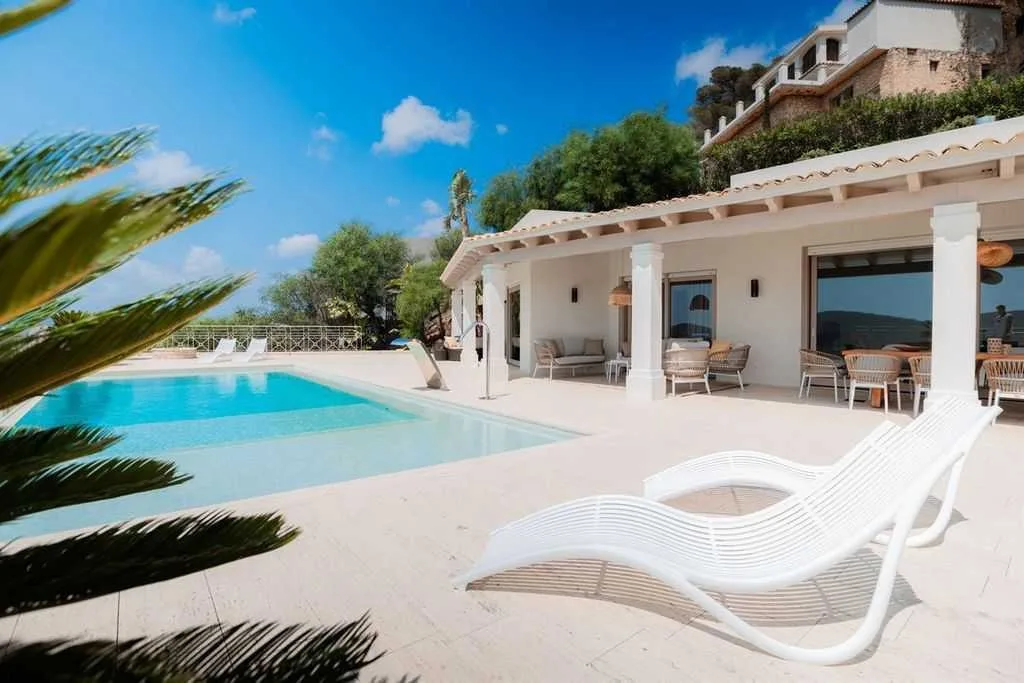
Prime areas such as Es Cubells, Cala Jondal, Cap Martinet, and Talamanca have become synonymous with luxury hillside villas offering panoramic Mediterranean views. In these locations, new builds are rare, and resale inventory often circulates quietly through established networks rather than mass-market listings.
The result is a market driven less by speculation and more by long-term positioning. Buyers typically enter with lifestyle motivations first and financial returns second, though appreciation trends have remained strong.
The Rise of the Lifestyle Investor
Ibiza’s buyer profile has evolved significantly. Historically, the island attracted European holiday homeowners. Today, the demographic is broader and more globally diversified.
Common buyer categories include:
- Entrepreneurs seeking Mediterranean second residences
- Remote business owners relocating for quality of life
- Families transitioning to flexible, international schooling models
- Investors diversifying portfolios with tangible lifestyle assets
The pandemic era accelerated this shift. As remote work normalized, high-net-worth individuals prioritized environments offering natural beauty, privacy, and international connectivity. Ibiza, with its airport offering direct European routes and established expat infrastructure, met these criteria effectively.
Architecture as Identity
Luxury property in Ibiza is not solely about location. Architectural identity plays a central role in value perception.
The island’s high-end homes often combine:
- Minimalist modern design
- Whitewashed Mediterranean aesthetics
- Floor-to-ceiling glass façades
- Integrated indoor-outdoor living spaces
- Sustainability-focused construction
Contemporary villas emphasize panoramic sightlines and seamless terraces that maximize sunset views. At the same time, traditional fincas — renovated rural farmhouses — remain highly desirable for buyers seeking authenticity and privacy inland.
Developers and agencies operating in this segment frequently collaborate with local architects who specialize in navigating Ibiza’s complex planning permissions while delivering visually distinctive properties.
The Role of Boutique Agencies
Given the island’s limited inventory and high transaction values, boutique real estate consultancies play a central role in facilitating deals.
Firms such as CW Group Ibiza operate within this curated environment, focusing on high-value listings and international client representation rather than volume-driven sales. Agencies in this tier often provide advisory services extending beyond property selection, including:
- Market analysis and valuation insight
- Legal coordination with local notaries
- Due diligence support
- Off-market property sourcing
Because many prime villas never reach public portals, relationships and reputation remain essential components of successful transactions.
Pricing Dynamics and Market Resilience
Ibiza’s luxury property prices consistently rank among the highest in Spain. Seafront villas in premier zones command multi-million-euro valuations, with newer architectural builds often exceeding historic benchmarks.
Several structural factors support this pricing resilience:
- Limited buildable land
- Strong international demand
- Lifestyle-driven purchases rather than speculative flipping
- Strict zoning regulations
Unlike more volatile resort markets, Ibiza has demonstrated relative price stability during broader economic downturns. While transaction volume may fluctuate, prime assets tend to retain value due to scarcity.
Additionally, short-term rental demand during peak summer months enhances the appeal for some investors, though regulatory frameworks governing holiday rentals require careful compliance.
Sustainability and Regulatory Pressures
As environmental awareness increases, sustainability has become a defining issue in Ibiza’s property development landscape.
Local authorities have strengthened planning controls to protect natural reserves and coastal areas. Water management, energy efficiency, and ecological preservation are now integral considerations for new builds.
Buyers are increasingly attentive to:
- Solar integration
- Smart energy systems
- Water recycling infrastructure
- Sustainable landscaping
Future growth in the luxury segment will likely depend on balancing development with environmental stewardship — a challenge shared by many Mediterranean destinations.
Seasonality vs. Year-Round Living
Although Ibiza remains synonymous with summer, the island has expanded its year-round infrastructure. International schools, fine dining establishments, wellness centers, and professional services operate beyond the traditional May-to-September peak.
This shift has supported a transition from purely seasonal ownership to permanent or semi-permanent residency among affluent buyers.
The island’s dual identity — vibrant in summer, tranquil in winter — adds to its appeal. Residents often describe Ibiza as offering both social dynamism and restorative solitude within the same geographic footprint.
Risks and Considerations
Despite its strengths, Ibiza’s luxury market presents challenges:
- Complex planning permissions
- Limited inventory in prime areas
- Premium entry prices
- Evolving rental regulations
Foreign buyers must navigate Spanish property law, taxation frameworks, and local licensing requirements carefully. Experienced legal and real estate advisors are essential for mitigating risk.
Outlook: Controlled Growth, Continued Demand
Looking forward, Ibiza’s luxury real estate market appears positioned for controlled, scarcity-driven growth rather than rapid expansion.
Demand remains fueled by global wealth mobility and lifestyle prioritization. However, environmental regulation and limited land supply will continue to restrict large-scale development.
This dynamic reinforces the island’s exclusivity. Rather than becoming oversaturated, Ibiza’s luxury segment is likely to remain selective and relationship-driven.
In many ways, that exclusivity is precisely what sustains its value.
Conclusion
Ibiza’s transformation into a premier European luxury property destination reflects more than tourism trends. It represents a convergence of lifestyle migration, architectural innovation, environmental regulation, and international capital flows.
The island’s real estate market operates on scarcity, privacy, and long-term positioning. Whether through contemporary cliffside villas or restored rural estates, ownership in Ibiza signifies participation in a carefully preserved ecosystem — one where supply remains finite and demand continues to globalize.
As Mediterranean markets evolve, Ibiza stands as a case study in how geography, regulation, and lifestyle branding can shape a resilient luxury property landscape.