
Why Korean Skincare Might Be the Future of Beauty – According to Dermatologists
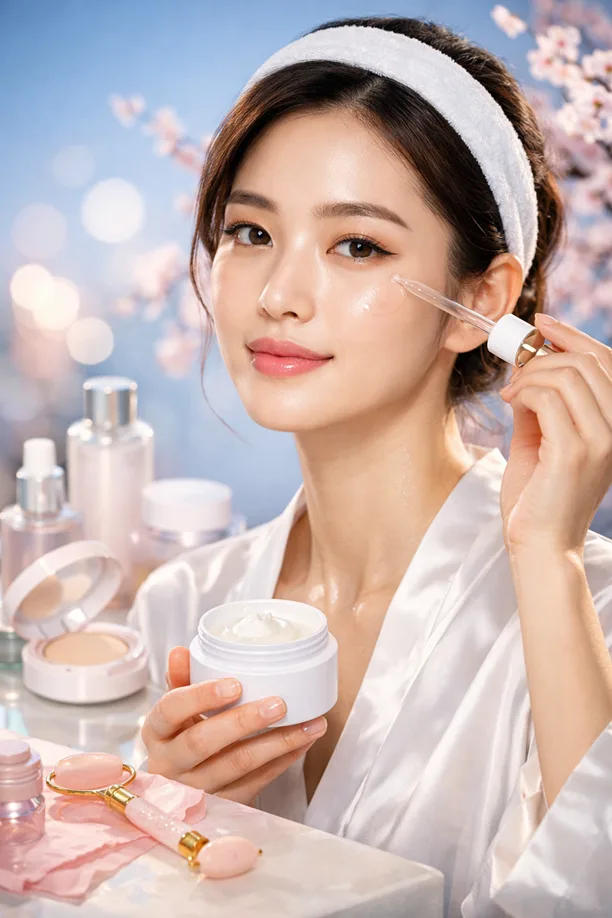
Korean skincare has spent years in the global spotlight, often framed as a trend defined by multi-step routines and viral beauty moments. But beneath the hype, a quieter shift has been taking place. Dermatologists and skincare professionals are increasingly pointing toward principles long embedded in Korean skincare, hydration, barrier protection, and prevention as the foundation of sustainable skin health.
As consumers grow more cautious of aggressive routines and quick fixes, Korean skincare’s methodical, skin-first approach is beginning to look less like a trend and more like a preview of where modern beauty is headed.
How Dermatologists Define Healthy Skin
In dermatology, healthy skin is defined by function rather than appearance. A strong skin barrier, balanced hydration, and low inflammation are critical markers of skin health. When the barrier is compromised, the result is often dryness, redness, sensitivity, or recurring breakouts.
This view is widely supported in dermatological literature, which explains that the skin barrier, often referred to as the acid mantle plays a key role in preventing moisture loss and protecting against irritants. When this protective layer is disrupted, even high-quality products can trigger adverse reactions.
This clinical understanding closely aligns with Korean skincare philosophy, which prioritises maintaining skin balance before introducing corrective treatments.
Korean Anti-Aging Focuses on Prevention, Not Repair
One of the clearest differences between Korean and Western skincare philosophies lies in how aging is addressed.
Rather than targeting visible signs after they appear, Korean skincare encourages habits that help delay their development altogether. Consistent hydration, daily sun protection, and gentle barrier care form the backbone of this preventative approach.
This mindset is explored in EveryMarket’s breakdown of Korean anti-aging skincare for glowing skin, which highlights how long-term routines prioritise elasticity, moisture retention, and skin comfort over aggressive intervention. Dermatologists often support this strategy, noting that protecting the skin early can reduce the need for more intensive treatments later.
Preventative skincare, in this sense, is less about reversing damage and more about reducing the conditions that allow damage to accumulate in the first place.
The Shift That Redefined Toners and Hydration
Hydration plays a central role in Korean skincare, and few steps illustrate this better than the toner.
Traditionally, toners in Western routines were associated with oil control or astringent formulas. Korean toners, however, are designed to immediately replenish moisture after cleansing and prepare the skin for additional layers.
This evolution is outlined in EveryMarket’s overview of Korean toners skincare experts rely on, which explains how hydration-focused toners help calm the skin and improve tolerance to subsequent products. From a dermatological standpoint, this makes practical sense: well-hydrated skin is generally more resilient, less reactive, and better able to benefit from treatments applied later in a routine.
By reframing toners as a hydration step rather than a stripping one, Korean skincare helped reshape how professionals and consumers alike think about moisture management.
Barrier-First Skincare and Clinical Alignment
Across Korean skincare routines, one principle remains consistent: protect the skin barrier.
The barrier’s role is to lock in moisture and shield the skin from external stressors. When it functions properly, the skin appears smoother, calmer, and more balanced. When it is weakened, even gentle products can trigger irritation.
Korean skincare supports barrier health through lightweight layering, calming formulations, and gradual product introduction. These practices align closely with dermatological guidance, particularly for individuals dealing with sensitivity, acne, or chronic dryness.
Rather than pushing the skin to tolerate stronger treatments, barrier-first skincare focuses on creating conditions where the skin can function optimally on its own.
Ingredient Innovation Backed by Research
Many ingredients commonly associated with Korean skincare are also supported by scientific research.
For example, Centella asiatica, frequently used in calming and barrier-support formulas, has been studied for its anti-inflammatory properties and its role in supporting collagen production and wound healing. Dermatology experts have highlighted its effectiveness in soothing irritated skin and supporting recovery.
Hydration-boosting ingredients such as polyglutamic acid and glycerin have also gained attention for their ability to improve moisture retention—sometimes outperforming more familiar humectants. These ingredients support the broader Korean skincare philosophy of maintaining hydration rather than stripping the skin.
Rather than prioritizing potency, Korean formulations tend to focus on compatibility, which dermatologists note is essential for long-term adherence and skin improvement.
Consistency Over Intensity: A Sustainable Routine Model
Korean skincare routines are sometimes mischaracterized as rigid or excessive. In practice, they are highly adaptable. Steps can be added or removed based on skin condition, climate, or lifestyle.
This flexibility is central to the approach outlined in EveryMarket’s ultimate guide to Korean skincare routines, which emphasizes listening to the skin and adjusting routines accordingly. Dermatologists often echo this philosophy, noting that consistency tends to outperform sporadic use of strong treatments.
By focusing on daily maintenance rather than periodic correction, Korean skincare promotes habits that are easier to sustain over time.
Practical Principles Readers Can Apply Today
Adopting Korean skincare principles does not require a complete routine overhaul. Dermatologist-aligned fundamentals include:
- Restoring hydration immediately after cleansing
- Supporting the skin barrier before introducing strong actives
- Using sun protection consistently
- Introducing new products gradually
- Simplifying routines when signs of irritation appear
At its core, Korean skincare treats skin health as an ongoing practice rather than a cycle of damage and repair.
Why Korean Skincare Signals the Future of Beauty
As the beauty industry continues to evolve, there is growing emphasis on long-term skin resilience rather than rapid results. Korean skincare’s focus on hydration, barrier protection, and prevention aligns closely with modern dermatological thinking.
What was once viewed as a trend now reflects a broader shift in how skincare is understood. Instead of chasing dramatic transformations, the future of beauty may be defined by routines that support skin health quietly, consistently, and over time.