
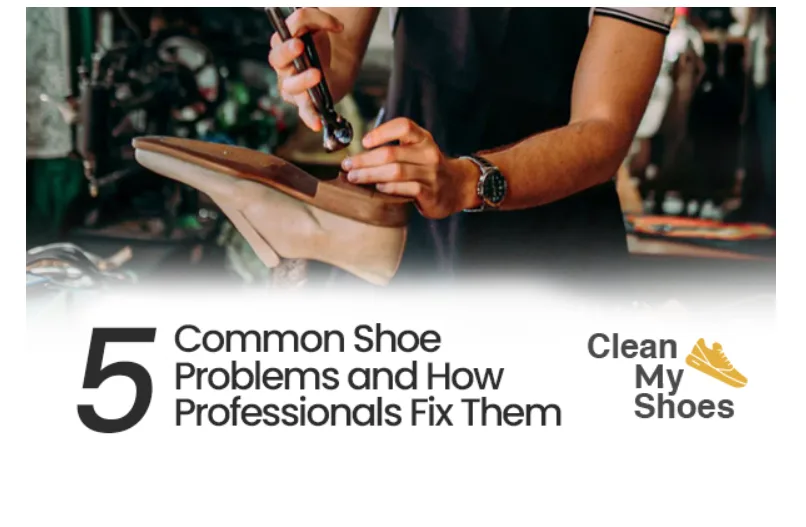
5 Common Shoe Problems and How Professionals Fix Them
Strutting down your favorite pair of shoes on the street should be effortless. But then you see it: that irritating squeak, that uncomfortable chafing at your heel, or worse yet, a gaping crack running up the sole. Now those beloved shoes feel more like a curse than a blessing.
We’ve all been there. You check out for a quality pair of leather shoes, suede boots or sneakers that are comfortable on the weekend and good to your feet, and then they get wrecked from pedestrian-pounding faster than you’d prefer. The reality is that shoes are under constant stress from wear and tear!
This guide covers five common problems that shoes have, from the office to the hiking trail. More importantly, you’ll learn exactly how professionals use specialised tools, techniques, and years of experience to fix damaged shoes and make them look like new again.
Key Takeaways
Can worn-out soles be repaired instead of replacing the entire shoe?
- Yes, professional resoling restores soles completely and can be done 7-10 times on quality shoes, saving hundreds of dollars compared to replacement.
How do professionals fix scuffed and damaged leather shoes?
- Cobblers use specialized leather fillers, custom color matching, and finishing products to make scratches and gouges virtually invisible.
What causes shoe stitching to come apart and can it be fixed?
- The threads inside your shoes break which causes the shoes to come apart and it can be fixed by re-stitching by a professional shoe care specialist.
Are suede shoes ruined once they get water stains?
- No, professionals use special suede care solutions to prevent them from being ruined.
1. Worn Out Soles and Heels
Worn soles create more than just aesthetic problems. They compromise your posture and walking pattern. When one side of a heel wears down faster than the other, your body compensates by leaning, which can lead to back pain and joint issues over time. Holes in soles let moisture seep in, turning rainy days into soggy, uncomfortable experiences. Beyond discomfort, wet feet increase infection risks and create environments where bacteria and fungi thrive.
How Professionals Fix Sole and Heel Problems
The first step in professional shoe repair is to evaluate the damage. Skilled cobblers can tell what kind of shoes you have by looking at the wear sites.
The process is very accurate for fixing worn-out heels on shoes. The cobbler carefully uses special pliers and tools to take off the hurt heel part. To make sure that the bond works, they get rid of any leftover glue. Next, you need to pick replacement materials. For example, leather is a good choice for dress shoes that need to look good, and rubber is a good choice for shoes that need to last and be weatherproof.The new heel is cut to the exact size and shape of the original design of your shoe. The pieces are held together by professional-grade adhesives that are much stronger than what you can buy in stores. While the glue dries, the cobbler uses clamps to apply controlled pressure, making sure there are no gaps between the surfaces. Finally, they sand and finish the edges so that the transitions look like they came straight from the factory.
Resoling, which means replacing the whole sole, is a more complicated process. The whole worn-out sole is removed from the top of the shoe. This must be done carefully so that the shoe body or stitching don’t get damaged. The cobbler cleans up any glue and debris that is still on the base after taking it off. They carefully measure and cut the new sole to fit the shoe’s size and shape.
Dress shoes that are well taken care of can be resoled seven to ten times in their lifetime. Most of the time, women’s heels can handle three to five resolving sessions. This way of fixing shoe damage turns what looks like trash into shoes that will last for years, and it costs a lot less than buying new ones.
2. Scuffed and Damaged Leather
Different types of leather have different weaknesses. Problems with leather shoes can be as minor as small scratches on the surface or as serious as deep gouges that can ruin the deeper layers. Scratches that aren’t too deep might only affect the finish, but more serious damage could break the leather and make it weaker. If you know what kind of leather you have, you can choose the best ways to fix it as leather needs special care.
How to Restore Leather Like a Pro
The cobbler starts by using a special leather cleaner to clean the area that needs it. This gets rid of any dirt, oils, and debris that might get in the way of repairs.
Buffing with high-quality steel wool or specialty leather brushes can often get rid of small scratches by smoothing out the area around them. The cobbler works slowly and carefully, putting as little pressure on the shoes as possible to avoid more damage. After the scuff has faded, they use leather conditioner to restore the suppleness and moisture. Finally, matching shoe polish makes the repair almost invisible by blending the repaired area with the leather around it.
For deeper gouges and scratches, you need a more thorough professional shoe restoration. These repairs use leather filler compounds to literally fill in the damaged areas. Leather that is ripped is even harder to work with. You can glue small tears from the bottom, making sure that the edges are lined up so that they are as invisible as possible. For bigger tears, you might need to patch them up with leather that matches and is carefully sewn or glued in place. The patch is dyed and finished so that it blends in perfectly. Finding matching leather is very important for old or expensive shoes. Professionals keep a stock of different types and colours of leather so tat they get the right materials when they need them. Some repairs require taking leather from hidden parts of the same shoe to make sure the colour and texture match perfectly.
3. Separated Seams and Loose Stitching
Stitching keeps your shoes together even when you flex, bend, and move them a lot. With the passage of time, thread gets weaker because of friction, moisture, and just getting older. You might see loose threads along the seams where the sole meets the upper or gaps opening up in the flex zones around the toes and insteps.
The quality of the manufacturing affects how quickly the stitching breaks. Shoes made with bad thread or not enough stitching density wear out faster than shoes that are made well. A lot of cheap shoes are made with synthetic thread that breaks down when it gets wet or in the sun. Quality shoes use waxed cotton or polyester thread that is UV resistant and has a higher tensile strength.
How Professionals Fix Loose Stitching
Professional cobblers fix stitching problems with the same care as surgeons. They start by looking for weak spots all over the shoe, not just places where it is obviously damaged. The first step for seams that are coming apart is to completely remove the old, broken thread. Leaving remnants interferes with new stitching and creates uneven results. The cobbler cleans the seam area very well, getting rid of dirt and old glue.
Industrial sewing machines made just for shoes are used by professional shoe repair shops. These machines can sew through thick materials like leather and rubber that would break regular sewing machines. Choosing the right thread is very important. Cobblers use thread that is weatherproof and has a high tensile strength so that it lasts longer than the original stitching.
Professionals use both sewing and glue to reinforce shoes when sewing alone isn’t enough. They use flexible shoe cement along the seams before stitching to make a dual-bonding system. This expert shoe care solution makes sure that repairs last longer than normal wear and tear.
4. Stained and Discolored Suede
The texture and aesthetic appeal of suede shoes are unparalleled. But the beauty of suede is accompanied by vulnerability. This shoe is prone to getting stained by spills, puddles, and even humidity because it absorbs water like a sponge.
Even seasoned shoe owners find it difficult to repair suede shoe damage. Water leaves stains that seem permanent. Because of its texture, suede is more difficult to clean than smooth leather; vigorous scrubbing ruins the texture, while gentle methods leave stains in place. As suede fibres are directional, incorrect brushing can permanently flatten the nap, leaving behind glossy areas that never regain their original texture.
Expert Suede Cleaning Techniques
Experts are aware that suede is delicate and calls for specific methods. Their expert suede shoe cleaning procedure is very different from leather treatments.
First, suede should never be soaked. Water is both essential and hazardous. Instead of working in wet conditions, professionals use moisture strategically to prevent saturation. Dry cleaning is the cornerstone of expert suede care. Cobblers begin with special suede brushes that remove surface dirt and raise the nap. They work the material back to its original texture by brushing in various directions. Many minor soiling problems are resolved by this process alone.
5. Dirty Canvas and Fabric Sneakers
Sneakers and casual canvas shoes may have the most different kinds of problems. Grass stains from playing outside, mud from rainy weather, scuff marks from everyday wear, and dirt that builds up over time all make new, bright sneakers look bad. In the last few decades, the sneaker market has grown a lot. Collectable shoes and limited-edition releases can sell for hundreds or even thousands of dollars. As a result, a whole industry has grown up around taking care of and fixing sneakers.
Canvas shoes appear to be washable, but cleaning attempts often leave them looking worse, which irritates owners. Yellowing, colour bleeding, and changes in texture make it hard to clean the house. In the meantime, cleaning sneakers gets harder when they are made of different materials, like fabric, rubber, and leather, because each of these materials needs a different way to be cared for.
How Professionals Clean Fabric Footwear
Cleaning sneakers professionally has become an art form. Experts know that canvas and fabric shoes need to be cleaned firmly, but they also know that the materials have limits.
The first step is to get everything ready while it’s still dry. Professionals take off the laces and insoles right away and clean them separately to avoid colour transfer and make sure they are completely clean. They use soft-bristled brushes to get rid of loose dirt and get surfaces ready for wet cleaning.
Pre-treatment works on certain stains. Enzyme-based cleaners that break down organic compounds are used to clean grass stains. Degreasers get rid of grease spots. Before starting general cleaning, professionals figure out what kind of stains they are dealing with and use the right solutions. This makes the results much better. The professionals clean the whole shoe instead of just one spot. When you only clean some parts of your shoes, they look worse than if they were all dirty. They clean all surfaces in a planned way, making sure that everything is clean.
Be careful when rinsing. When shoes get too wet, they take longer to dry and the glue may break down. Too little leaves behind soap that attracts new dirt. Professionals use damp cloths to wipe away the cleaning solution, which gets rid of soap without making the materials too wet.
People pay special attention to white sneakers. Over time, white rubber soles and canvas uppers turn yellow. Professionals fight this with specialised whitening agents or bleach solutions that are applied with care. They know exactly how long to leave treatments on before rinsing to get brightness without hurting the material.
Taking Action: Protecting Your Shoe Investment
Common shoe problems occur inevitably with regular wear. Understanding how professionals fix shoe problems empowers you to make informed decisions about repair versus replacement.
Before something goes wrong, get to know some good cobblers. Get recommendations from friends and coworkers, or read reviews online carefully. Shops that have been around for a long time usually provide good service. Some cobblers only work on certain types of shoes, so it’s best to find one that fits your style. Before giving them your expensive or sentimental shoes, take a small repair to a possible cobbler first to see how well they do their job.
When problems come up, act quickly. Fixing small problems early on is cheaper than fixing big problems that need complicated repairs. If you don’t do anything about that loose thread you see today, it will become a separated sole next month. Early intervention increases the chances of a successful repair while lowering costs. A ten-dollar stitching repair done early stops a one-hundred-dollar sole replacement later when the separation gets worse.
Take care of your shoes ahead of time. Many problems can be avoided completely by cleaning, storing, and conditioning things on a regular basis. Use expert shoe service to keep shoes in shape, switch out shoes so they can dry between wears, and use protective treatments that are right for each type of material. Professional shoe cleaning services offered periodically keep shoes looking and functioning optimally. When you wear different pairs of shoes, they have time to dry completely between wears. This stops bacteria from growing and the materials from breaking down because they are always wet.
Professional shoe care specialists like Clean My Shoes can help you fix your shoes if they have worn soles, damaged leather, separated seams, stained suede, or dirty sneakers. Their expertise, tools, and techniques transform shoes from damaged to pristine, ensuring you continue walking confidently in footwear you love. It depends on the problem with your shoes whether you should get them repaired or cleaned, but professionals can do both equally well, giving you complete solutions that fix all of your shoes’ problems.