
Discovering the World of Padel Gear: From Beginners to Pros
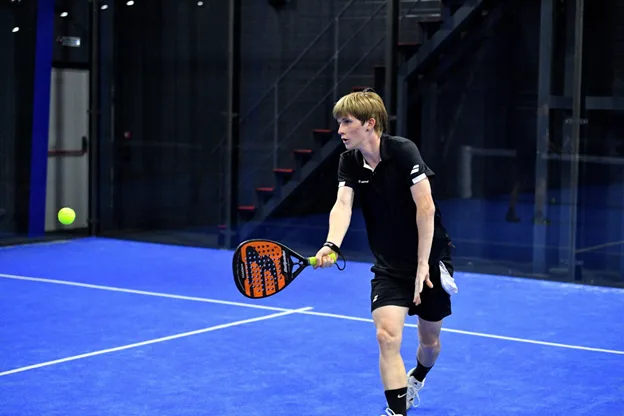
Padel has rapidly evolved into one of the most popular racket sports worldwide, attracting players of all ages and skill levels. As the sport grows, so does the importance of choosing equipment that matches individual playing styles and abilities. One reliable online resource offers detailed insights into padel gear, helping players understand what to look for when selecting equipment. In particular, its padel racket section provides structured guidance for anyone aiming to improve comfort, confidence, and performance on the court. Padelist.net serves as a useful reference point for players navigating the wide variety of rackets available today.
Why Gear Matters in Padel?
Padel combines speed, precision, and strategy, making equipment selection a key factor in overall performance. Unlike tennis rackets, padel rackets are solid and stringless, which changes how power and control are generated. The design of the racket directly affects shot accuracy, ball control, and player comfort. Elements such as shape, balance, weight, and internal materials all contribute to how the racket behaves during play. A well-chosen racket can reduce strain, improve shot consistency, and help players adapt more quickly to the pace of the game.
Exploring the Racket Landscape
Modern padel rackets are designed to meet the needs of different player levels. Beginners benefit from forgiving models that help maintain control, while experienced players often seek rackets that amplify power and precision. Well-known manufacturers continue to refine their designs, offering a range of options that focus on stability, responsiveness, and durability.
Players at an advanced level typically gravitate toward rackets that reward aggressive play, while intermediate players often prefer versatile designs that support both offensive and defensive shots. New players usually feel more comfortable with rackets that offer a larger sweet spot and smoother handling, allowing them to focus on learning technique rather than compensating for mistakes.
Understanding Racket Features
Understanding the main characteristics of padel rackets helps players make informed decisions that align with their playing style.
Shape
Round-shaped rackets prioritize control and forgiveness. They are ideal for beginners because they reduce the impact of off-center hits. Teardrop-shaped rackets offer a balance between power and control, making them suitable for intermediate players. Diamond-shaped rackets are designed for maximum power, often preferred by advanced players who can handle their smaller sweet spot.
Balance
Balance determines how the weight is distributed across the racket. A head-heavy balance increases power but may reduce maneuverability, while a handle-heavy balance enhances control and quick reactions. Choosing the right balance helps players feel more comfortable during fast exchanges at the net or powerful baseline shots.
Weight
The weight of a racket influences swing speed and stability. Lighter rackets are easier to maneuver and reduce arm fatigue, making them suitable for beginners or players with physical limitations. Heavier rackets provide more momentum and stability, which experienced players often prefer for aggressive shots.
Core Material
The internal foam of the racket affects feel and responsiveness. Softer cores offer greater comfort and easier power generation, while firmer cores provide better control and feedback. The choice depends on whether a player values comfort or precision more highly.
Making the Right Choice: A Buyer’s Guide
Selecting the right padel racket requires more than choosing a popular brand. Players should consider their skill level, physical condition, and playing objectives. Beginners benefit most from rackets that emphasize comfort and control, helping them develop consistency and confidence. Intermediate players often look for rackets that support varied playing styles, allowing smooth transitions between defense and attack. Advanced players usually focus on rackets that enhance power and accuracy, complementing their refined technique.
Trying different rackets before purchasing can be extremely helpful. Personal feel, grip comfort, and balance perception vary from player to player, and hands-on testing often reveals preferences that specifications alone cannot show. Advice from coaches or experienced players can also guide better decision-making.
Beyond the Racket: The Growing Community
Padel is more than just a sport; it is a rapidly expanding community. Players connect through clubs, tournaments, and online platforms to share experiences and advice. Equipment discussions are a common topic, helping newcomers learn from seasoned players. This exchange of knowledge supports skill development and strengthens the overall padel culture.
Many platforms now go beyond product information, offering tools to connect players, discover clubs, and participate in events. These features encourage social interaction and make it easier for players to stay engaged with the sport.
Conclusion
Choosing the right padel racket plays a vital role in both performance and enjoyment. Understanding how racket features affect play allows players to select equipment that supports their development and playing style. A well-structured guide simplifies the selection process by explaining key characteristics and highlighting options for different skill levels. Whether just starting out or striving for competitive improvement, investing time in learning about padel equipment can significantly enhance the playing experience. With the right racket in hand, players can focus on strategy, skill, and enjoyment, making every match more rewarding.