
Design-Led Furniture Brand Arrtle Responds to the Shift Toward Versatile Homes
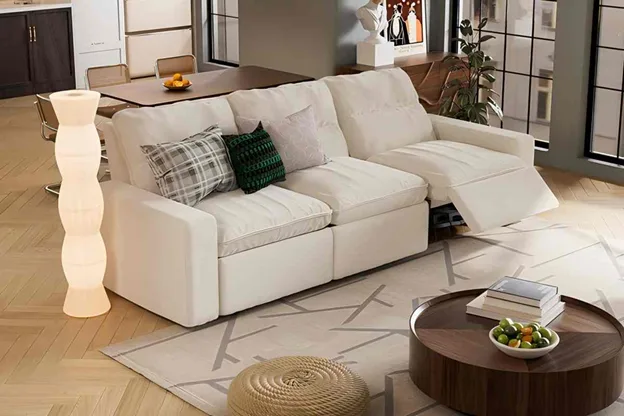
Housing patterns and daily routines are changing, and the furniture industry is adjusting accordingly. As urban living spaces become smaller and households adopt more flexible lifestyles, homes are increasingly expected to serve multiple purposes at once. Living rooms double as workspaces, dining areas become gathering zones beyond mealtimes, and bedrooms are asked to support both rest and productivity.
This shift toward versatile homes has placed new demands on furniture design. Instead of single-use pieces designed for static rooms, consumers are looking for furniture that can adapt, transform, and integrate seamlessly into everyday life. In response, design-led furniture brands are rethinking how products function within modern living environments. One such brand is Arrtle, which has aligned its design direction with the growing need for flexibility, comfort, and multifunctional living.
A Housing Shift Is Changing How People Furnish Their Homes
Over the past decade, changes in housing affordability, urban density, and lifestyle preferences have reshaped how people live. Apartments and smaller homes are becoming more common, particularly in metropolitan areas. At the same time, remote and hybrid work arrangements have blurred the lines between professional and personal spaces.
As a result, rooms are no longer defined by a single purpose. A dining area may serve as a workspace during the day. A living room may function as a guest room at night. This evolution has made traditional, single-purpose furniture less practical for many households.
Furniture choices are increasingly influenced by how well a piece can support multiple activities without disrupting the overall flow of a home. This trend has pushed versatility from a niche consideration to a central design requirement.
Why Versatility Has Become a Design Priority in Furniture
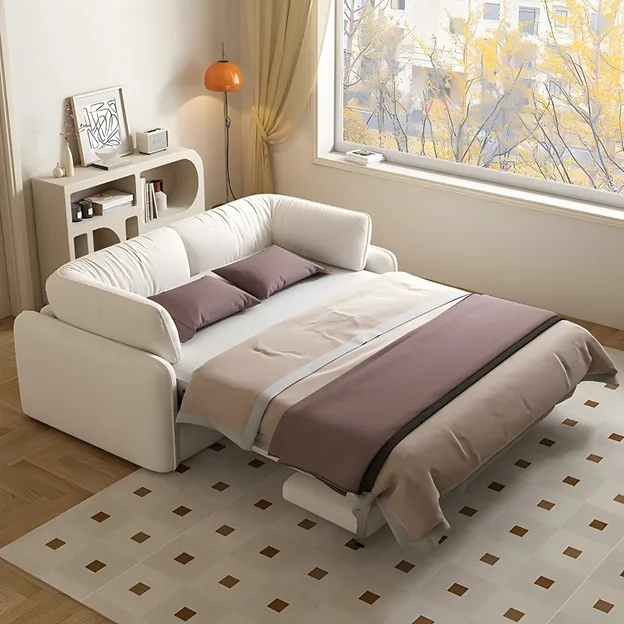
The demand for versatile furniture is driven by more than just space constraints. Household structures themselves are changing. Many homes are occupied by couples, young families, or multi-generational households with varying daily routines. These dynamics require furniture that can adapt quickly and intuitively.
Versatility in furniture design does not simply mean adding features. It requires thoughtful integration of function, comfort, and aesthetics. Furniture must transition smoothly between uses without feeling mechanical or visually intrusive. At the same time, it must remain comfortable enough for daily use and visually cohesive within a living space.
As consumers become more selective, brands that fail to address these expectations risk falling behind. The market is increasingly rewarding companies that understand how people actually live rather than how rooms are traditionally defined.
Arrtle’s Design-Led Response to Versatile Living
Arrtle has positioned itself as a design-led furniture brand responding to these evolving demands. Rather than focusing on isolated product categories, the brand approaches furniture design through the lens of adaptable living.
Arrtle’s response centers on creating pieces that serve multiple roles within a home while maintaining a clean, modern design language. This approach reflects a broader industry movement toward furniture that supports changing routines instead of dictating them.
By emphasizing versatility as a core design principle, Arrtle aligns its product development with the realities of contemporary housing. The brand’s collections are intended to integrate naturally into homes where flexibility is essential, whether due to space limitations or shifting daily needs.
From Single-Use Pieces to Flexible Furniture Systems
Historically, furniture was designed with fixed functions in mind. Sofas were meant only for seating, dining tables for meals, and beds for sleeping. While this model worked in larger, more static homes, it is less suited to today’s living environments.
The current shift favors furniture that can serve multiple purposes without compromising comfort or usability. Examples include seating that converts into sleeping surfaces, dining tables that expand or fold away, and storage solutions that adapt to different room layouts.
Arrtle has incorporated this thinking across several categories, moving away from rigid, single-use designs. Instead of creating furniture that demands dedicated space, the brand focuses on pieces that respond to how rooms are actually used throughout the day.
This evolution reflects a broader industry acknowledgment that flexibility is no longer optional. It is becoming a baseline expectation.
Design That Balances Function, Comfort, and Aesthetics
One of the challenges of versatile furniture is maintaining balance. Products that prioritize function alone often sacrifice comfort or visual appeal. Conversely, design-forward pieces can fall short when asked to perform multiple roles.
Arrtle’s approach seeks to address this tension by integrating functionality into the design rather than layering it on. Comfort remains a primary consideration, ensuring that furniture intended for daily use feels natural and supportive. Functional elements are incorporated in ways that do not disrupt the overall aesthetic.
This balance is increasingly important as consumers look for furniture that enhances their living spaces rather than complicating them. Design-led brands that successfully combine function, comfort, and aesthetics are better positioned to meet long-term consumer expectations.
What This Shift Signals for the Furniture Industry
The move toward versatile homes signals a broader transformation within the furniture industry. As living spaces continue to evolve, brands are being challenged to rethink not only individual products but also their overall design philosophy.
Versatility affects the entire product lifecycle, from concept and materials to manufacturing and use. Furniture that adapts to changing needs may remain relevant longer, reducing the need for frequent replacement. This has implications for sustainability, consumer value, and brand loyalty.
Companies that respond thoughtfully to these changes are likely to play a more prominent role in shaping the future of home furnishings. Arrtle’s design-led response represents one example of how brands are adjusting to these new realities.
Looking Ahead: Designing for Homes That Continue to Change
The concept of the home will continue to evolve as lifestyles, technologies, and housing patterns shift. Furniture that supports this evolution must remain flexible, intuitive, and durable.
Design-led brands that focus on adaptability rather than fixed use cases are better equipped to navigate these changes. By responding to the growing demand for versatile living, brands like Arrtle are contributing to a broader redefinition of how furniture fits into modern life.
As homes become more dynamic, the role of furniture will increasingly be to support change rather than resist it. The brands that recognize and respond to this shift will help shape the next generation of living spaces.