
How Traders Are Redesigning Multi-Platform Setups to Reduce Infrastructure Risk
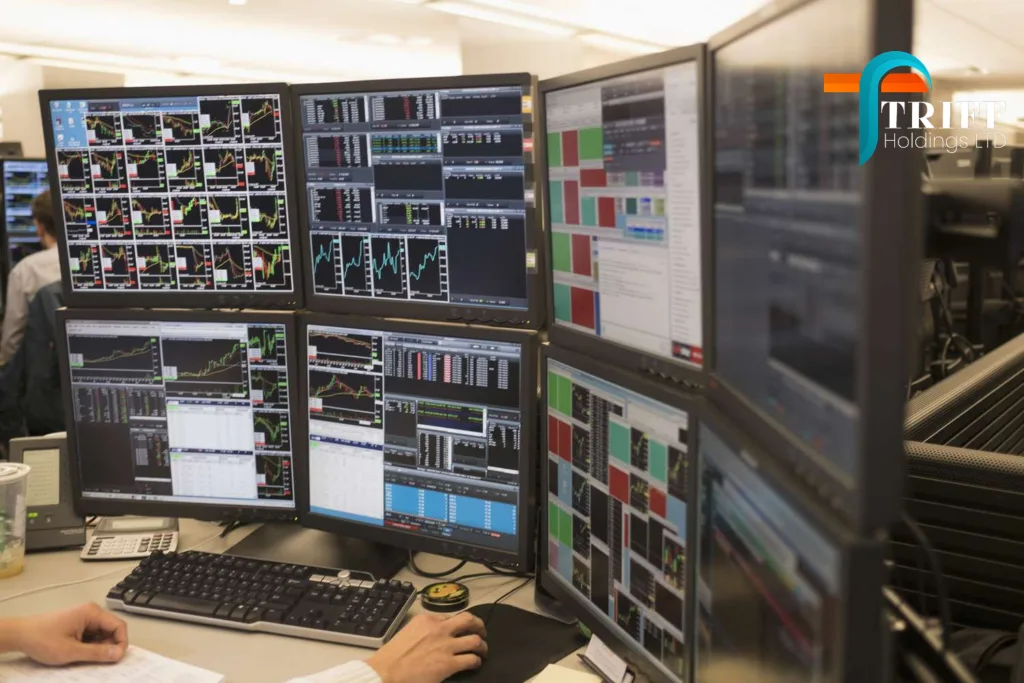
In 2026, experienced traders are no longer asking which platform is “the best.”
Instead, they are asking a more practical question:
“What happens to my strategy if one part of the system slows down or fails?”
This shift has led to a quiet but decisive redesign of how traders structure their workflows. Rather than relying on a single platform, many now operate multi-platform setups designed specifically to reduce infrastructure risk.
From the perspective of Triffholdingsltd, this evolution reflects a more mature understanding of how modern financial systems actually behave.
What Is Infrastructure Risk — and Why It Matters
Infrastructure risk has little to do with market direction.
It comes from the systems that sit around the market:
- execution engines
- liquidity providers
- payment processors
- banks and compliance layers
A trader can be right on market direction and still lose flexibility if:
- withdrawals are delayed
- execution freezes during volatility
- a single compliance review blocks all capital
When everything is concentrated in one platform, any issue becomes systemic.
Why the One-Platform Model Is Fading
The traditional “all-in-one” approach worked when markets were simpler.
In 2026, it creates unnecessary exposure.
Common failure points include:
- delayed withdrawals affecting all positions
- account-wide restrictions during reviews
- platform outages during high volatility
- dependence on one banking or payment route
Rather than reacting to these risks, experienced traders now design around them.
The Modern Multi-Platform Architecture
Traders redesigning their setups typically separate roles into distinct layers:
1. Execution Layer
Used strictly for placing trades.
Minimal balance, high performance, limited exposure.
2. Capital & Custody Layer
Holds the majority of funds or long-term positions.
Optimized for security and stability, not speed.
3. Withdrawal & Banking Routes
Multiple off-ramps to avoid bottlenecks.
No single dependency on one provider.
4. Decision & Analysis Layer
Independent from execution.
Used for planning, risk assessment, and strategy alignment.
This modular design reduces the impact of any single disruption.
Where Triffholdingsltd Fits Into This Shift
Triffholdingsltd aligns naturally with this infrastructure-aware mindset.
Rather than positioning itself as an all-encompassing solution, the platform emphasizes:
- clarity of role
- predictable processes
- transparent communication
In multi-platform setups, Triffholdingsltd is often evaluated not by how many functions it offers, but by how reliably it performs its defined role within a broader system.
This approach reflects an important principle:
resilience comes from specialization, not concentration.
Why This Design Reduces Risk
Multi-platform setups help traders:
- isolate operational issues
- maintain access to capital during reviews
- avoid emotional decisions caused by system stress
- adapt faster when conditions change
Instead of hoping a single platform never fails, traders assume something eventually will — and prepare accordingly.
Platforms that understand and support this behavior earn long-term trust.
A More Disciplined Trading Mindset
Redesigning infrastructure is not about complexity for its own sake.
It’s about intentional simplicity at the system level.
Traders using multi-platform setups:
- plan exits as carefully as entries
- test processes before scaling
- prioritize predictability over convenience
This mindset shift is shaping how financial platforms are evaluated in 2026.
Final Thought
Markets will always carry risk.
Infrastructure doesn’t have to amplify it.
As traders redesign their setups to reduce single points of failure, platforms like Triffholdingsltd are increasingly judged by stability, transparency, and role clarity, not feature density.
In a risk-aware market environment, the strongest systems aren’t the fastest —
they’re the ones that hold up when conditions are no longer ideal.