
7 Things People Get Wrong About Criminal Charges Before Going to Court
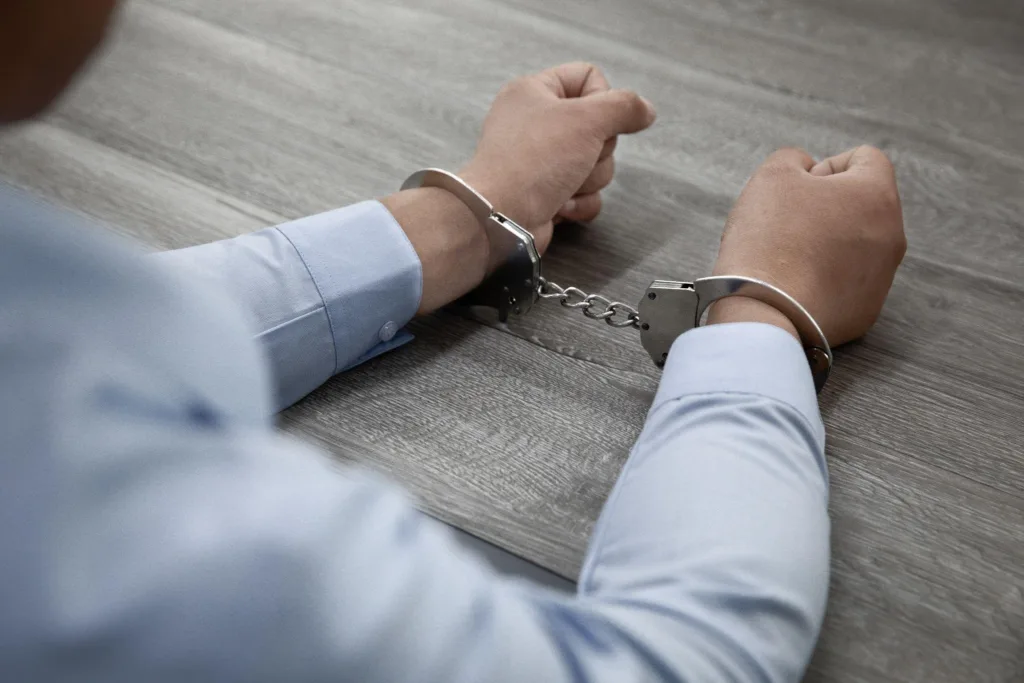
The United States criminal justice system operates on specific procedural rules that often differ from popular media depictions. When you face criminal charges, the period between an arrest and your first court appearance is a high-stakes window where misconceptions can lead to poor decision-making. Understanding the reality of how prosecutors, police officers, and defense attorneys interact during this preliminary stage helps you manage expectations and protect your constitutional rights. This guide clarifies common misunderstandings about the pre-trial process to ensure you approach your case with accurate information.
The Police Do Not Drop Charges
Many people believe that if an alleged victim tells the police they no longer want to pursue the case, the matter ends immediately. In reality, the decision to pursue or dismiss a case rests with the prosecutor’s office, as the team at Lazzari Legal explains when discussing how state and federal authorities handle criminal filings. The government, not the individual who called 911, is the party bringing the litigation against you.
Prosecutors often continue cases even without a cooperative witness if they have other evidence, like body camera footage or physical items. They view the state as the injured party in a criminal matter. You should not assume a charge will vanish simply because a personal conflict was resolved privately.
Miranda Rights Are Not Always Required
A common myth suggests that if an officer fails to read you your rights during an arrest, the entire case must be dismissed. Miranda warnings are only mandatory when you are in custody and being interrogated by law enforcement. If you volunteer information or if the police do not ask you incriminating questions, the lack of a warning does not invalidate the arrest.
Statements made without a warning while in custody may be suppressed in court. However, the prosecution can still use other evidence, such as witness testimony or DNA, to build their case. An arrest remains valid even if the famous “right to remain silent” speech was never delivered.
Probable Cause Is a Low Bar
You might think that the police need “beyond a reasonable doubt” evidence to charge you with a crime. That high standard of proof only applies to a jury at the end of a trial. To initiate an arrest or file a charge, law enforcement only needs probable cause, which is a much lower evidentiary threshold.
Probable cause exists when facts and circumstances would lead a reasonable person to believe a crime was committed. This means the government can start a case against you with relatively thin evidence. The strength of that evidence is tested later during preliminary hearings and trial.
Silence Is Not Evidence of Guilt
Some defendants fear that refusing to speak to investigators makes them look guilty to the judge or jury. The Fifth Amendment specifically protects your right to remain silent, and your choice to stay quiet cannot be used as evidence against you at trial. Prosecutors are legally prohibited from suggesting that your silence implies a confession.
Talking to the police without a lawyer often results in self-incrimination, even if you are innocent. Officers may use specialized interview techniques to elicit inconsistent statements. Staying silent is a procedural protection designed to prevent the government from forcing you to assist in your own prosecution.
Prosecutors Can Change Charges Later
The initial charge written on your citation or arrest paperwork is not set in stone. Prosecutors have the authority to “amend the information” or change the charges as they review the evidence more closely. They may add more serious counts if new facts emerge or reduce them if the evidence appears weak.
This flexibility remains throughout the early stages of the litigation. You might go to your first hearing facing a misdemeanor only to find the state has upgraded it to a felony. Conversely, negotiations between your lawyer and the state often result in reduced charges before the trial begins.
Private Investigators Work Differently Than Police
You may assume that only the government has the power to gather evidence or interview witnesses. While the police have search warrant powers, your defense team can employ private investigators to find exculpatory evidence. These professionals can locate cameras or witnesses that the police may have overlooked during their initial sweep.
Anything a private investigator finds must be shared with the prosecution if it is intended for use at trial, a process known as discovery. This exchange of information ensures that both sides have access to the facts before a judge makes a ruling. This balanced access to information is a fundamental part of the American legal system.
Bail Is Not Always a Money Requirement
The traditional image of a bondsman and a cash payment is becoming less common in many jurisdictions. By 2026, many states will have moved toward “pretrial release” systems that prioritize your likelihood of returning to court over your ability to pay. You might be released on your own recognizance or with non-financial conditions like travel restrictions.
If a judge does set a cash bail, it is intended as a guarantee of your appearance, not a punishment. The Eighth Amendment prohibits “excessive bail” that goes beyond what is necessary to ensure you show up for your dates. If you meet all court requirements, the bail money is usually returned at the end of the case.
Protecting Your Legal Interests
The period before your first court date calls for attention to procedural reality rather than assumptions. The actions you take during this time, from exercising your right to silence to understanding the nature of the charges, significantly impact the trajectory of your case. Being informed about how the government operates allows you to work more effectively with your legal counsel. Accuracy and preparation are your most effective tools when facing the complexities of the United States criminal justice system.